
Blogs
5 Common Tumbling Mistakes Kids Make (And How Our Coaches Fix Them)
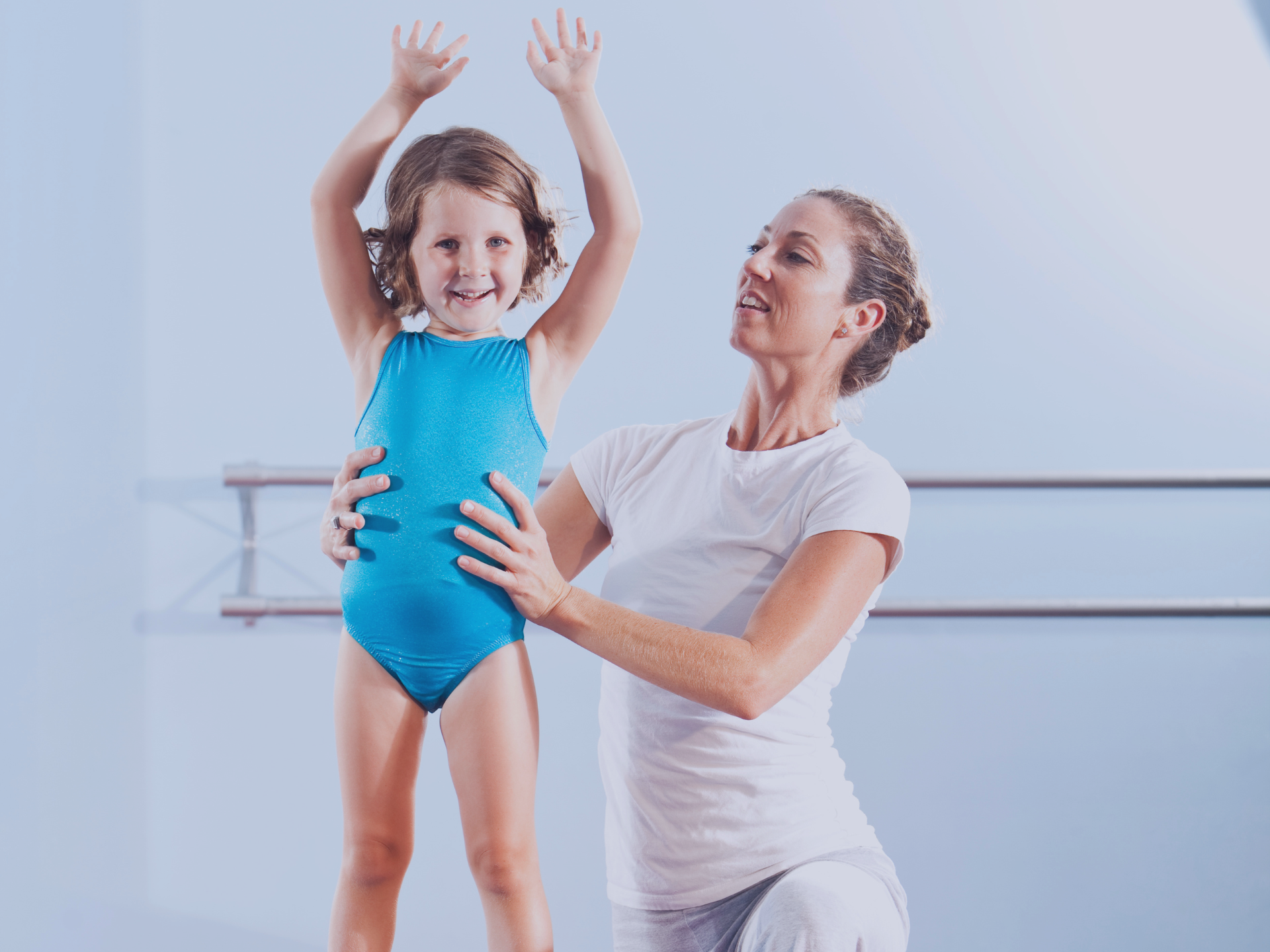
Tumbling is an exhilarating blend of strength, agility, and grace. For kids, it's a fantastic way to develop coordination and confidence. But let's be honest, watching a young tumbler learn new skills can sometimes look… well, a little chaotic. They’re giving it their all, but often, tiny missteps can lead to big wobbles or incomplete skills.
As coaches, we see the same patterns emerge again and again. These aren't signs of a lack of effort; they're simply common hurdles on the path to mastering tumbling. Understanding these typical mistakes is the first step toward overcoming them, transforming those wobbly attempts into soaring successes.
Spotting the Slip-Ups: The Most Common Tumbling Mistakes Kids Make
Every young athlete — especially beginners — hits a few stumbling blocks along the way. In tumbling, those challenges usually show up as repetitive physical habits or mental hesitations that slow down their progress. And we’re not talking about tiny imperfections; these are core mistakes that, if ignored, can keep a child from performing a skill safely and with confidence. It’s a lot like trying to build a house on an unsteady foundation — it just won’t hold up.
Our coaches focus on spotting those weak points early, strengthening the fundamentals, and giving beginners the guidance they need to develop solid, safe technique from the start.
Why Understanding These Tumbling Mistakes Matters (Far Beyond Perfecting a Flip)
You might think identifying these mistakes is purely about perfecting the execution of a back handspring or a back tuck. While that’s certainly a goal, the benefits extend far beyond the mat. Understanding why a child is struggling with a particular movement pattern helps us, as coaches, to communicate more effectively, tailor our instruction, and prevent potential injuries.
More importantly, it teaches the child problem-solving skills. When they understand why their tuck isn't rotating, rather than just being told "do it again," they learn to analyze their own movements, make adjustments, and develop a deeper kinesthetic awareness. This fosters resilience, critical thinking, and a growth mindset that translates into every aspect of their lives, not just their tumbling. It's about empowering them to become self-correcting athletes and, ultimately, more confident individuals.
Mistake #1: The “Floppy Fish” Entry — Not Engaging the Core Properly
Imagine trying to push a rope. What happens? It just collapses. Now imagine pushing a sturdy stick. It holds its shape and transfers force efficiently. That's the difference a strong core makes in tumbling. Many young tumblers, especially when starting out, initiate skills with a relaxed midsection, leading to what we affectionately call the "floppy fish" entry.
The Issue: A Weak and Unstable Foundation
When a child’s core isn’t properly engaged, their body becomes like that floppy rope. They lose stability and control, particularly during the crucial initiation phase of a skill like a handstand, cartwheel, or round-off. Their hips might pike, their back might arch excessively, or their legs might trail, making it incredibly difficult to maintain a straight line or transfer power effectively. This isn't just about looking messy; it's about a fundamental lack of body control that makes advanced skills feel impossible and even increases the risk of strain on their lower back. Without a solid, engaged core, every subsequent movement in the skill becomes compromised.
The Fix: Strengthening Core Control and Stability
Our approach to fixing the "floppy fish" is rooted in foundational strength and awareness. We start with simple yet effective exercises that teach kids what "engaging their core" actually feels like. Think of hollow body holds and superman holds—these aren't just exercises; they're lessons in internal bracing. We often use analogies, telling them to imagine they're preparing for a gentle punch to the stomach, or that they’re trying to squeeze a penny between their belly button and spine.
Once they grasp the feeling, we integrate core engagement into every warm-up and drills. Before attempting a cartwheel, for example, we'll remind them to "squeeze your belly, make your body strong." We might even have them practice the entry without completing the skill, focusing solely on maintaining that rigid, stable core as they reach for the floor. Consistency in these reminders and exercises gradually builds the muscle memory and awareness needed to make core engagement an automatic part of their tumbling.
Mistake #2: The “Blind Bat” Landing — Dropping Their Eyes Too Early
Picture a gymnast soaring through the air, perfectly aligned, only to suddenly drop their head and glance down just before landing. The result? A wobbly, off-balance finish, or worse, a fall. This is the "blind bat" landing, a common error where young tumblers prematurely shift their gaze, disrupting their spatial awareness and throwing off their body alignment.
The Problem: Losing Focus and Throwing Off the Landing
Dropping the eyes too early is akin to a driver looking at their dashboard instead of the road ahead while taking a turn. It causes the head to lead the body in an unnatural way, pulling the shoulders and torso out of alignment. This compromises the body's ability to spot the landing, absorb impact evenly, and maintain balance. Instead of landing solidly with knees bent and chest up, they often land hunched, off-center, or with their weight disproportionately shifted, making it incredibly difficult to stick a clean finish. The brain relies heavily on visual input for balance, and when that input is disrupted at a critical moment, stability goes right out the window.
The Fix: Keeping Their Eyes Forward to Stick the Landing
The solution to the “blind bat” habit is simple in theory but takes consistent practice to master: keep the eyes fixed on a target throughout the tumbling pass. Whether it’s a round-off, back handspring, or any skill that transitions into another movement, we teach athletes to lock their focus on a point ahead — a spot on the wall, a mark on the floor, or a visual cue placed directly in their landing line.
Our drills shift the priority from just completing the skill to landing with their eyes up. Sometimes we’ll use a coach’s hand, a bright cone, or a taped mark as their visual target at the end of the tumbling pass. Verbal cues matter just as much: “Eyes up!” “Spot me!” “Look forward!” These quick reminders help override the instinct to look down too early.
With repetition, athletes start trusting their body awareness, keeping their gaze forward, and moving through the entire tumbling pass with more control. The result? Cleaner lines, stronger landings, and far more confidence in every skill they execute.
Mistake #3: The “Chicken Wing” Arms — Poor Arm Positioning During Skills
Have you ever seen a child attempting a handstand or a cartwheel, and their arms seem to fold in on themselves like a chicken’s wings? This isn't just an aesthetic issue; it's a fundamental breakdown in how power and leverage are generated and transferred throughout the body. The "chicken wing" describes arms that are bent, floppy, or held too far away from the ears, particularly during the support phase of skills.
The Problem: Weak Arm Position That Kills Power and Momentum
Weak or improperly positioned arms during skills like handsprings, round-offs, or even simple handstands are like trying to lift a heavy box with spaghetti arms. They provide no solid base of support. Instead of driving power into the ground and rebounding, the energy gets absorbed and dissipated. This results in skills that lack height, speed, and full rotation. The body becomes a hinged gate instead of a solid lever, making it impossible to push off with force or maintain a tight, straight shape in the air. Essentially, the arms, which should be powerful extensions of the body, become a major roadblock to skill progression.
The Fix: Driving Power Through Strong, Active Shoulders
To overcome the "chicken wing," we emphasize active, straight arms that are "glued" to their ears. We start with conditioning exercises that build shoulder strength and stability, like elevated push-ups, bear crawls, and plank variations. The goal is to teach them to actively push through their shoulders, as if trying to push the floor away from them.
In drills, we constantly cue "straight arms," "push the floor," or "ears covered." We might use visual aids, asking them to imagine a strong, straight line from their fingertips through their shoulders and down to their hips. For round-offs and handsprings, we focus on the powerful "cast" or "punch" off the hands, emphasizing that the arms must remain locked and active throughout the entire contact with the floor. It's about teaching them to use their entire upper body as a solid, powerful unit, rather than just passively letting their arms bend.
Mistake #4: The “Stuck in the Mud” Rotation — Not Generating Enough Power to Complete the Skill
It's a frustrating sight: a child launches into a skill with enthusiasm, only to seem to lose momentum mid-air, falling short of completing the rotation. They might land on their hands when they should be on their feet, or simply not make it all the way over. This is the "stuck in the mud" rotation—a classic sign that insufficient power was generated at the takeoff.
The Problem: Momentum Stalls Before the Skill Completes
The essence of many tumbling skills is rotational power. If a child doesn't generate enough initial force or distribute it correctly during the takeoff, that momentum quickly dissipates. Imagine a car trying to accelerate up a hill with a weak engine—it will sputter and stall. Similarly, in tumbling, if the jump is weak, the arm swing is sluggish, or the body shape isn't tight, the kinetic energy required to carry the body through a full flip or twist simply isn't there. This often leads to under-rotated skills, painful landings, or the inability to complete the skill at all, creating a cycle of frustration and doubt.
The Fix: Creating Strong, Controlled Power Through the Takeoff
The solution comes down to a strong, coordinated takeoff — especially in skills like a round-off back handspring. We break the entire pass into clean, manageable parts, putting extra attention on the transition moments that create power. For a back handspring, that means a solid block through the shoulders, a quick, aggressive snap-down, and a tight, active body shape. In the round-off, it’s all about a clean entry, a powerful push through the hands, and a sharp snap-down that drives momentum directly into the back handspring.
We use targeted drills to strengthen each piece: block drills on panel mats, rebound drills to build height and quickness, and shape work that teaches athletes how to stay tight and efficient through the entire movement. The goal isn’t just “jump higher.” It’s learning how to direct energy efficiently so the power from the round-off flows seamlessly into the back handspring. We use cues like “punch the floor,” “explode through your shoulders,” and “snap tight” to help them feel the mechanics. When they combine power with proper timing, the round-off back handspring becomes cleaner, faster, and far more controlled.
The “Hold-Back” Moment — When Hesitation Interrupts the Skill
Sometimes, it's not a physical mistake at all, but a mental one. You see a child wind up for a skill, their body ready, but then they flinch, slow down, or simply stop mid-action. This moment of doubt, that slight pause before full commitment, is the "hold-back." It’s often the most heartbreaking mistake for a coach to witness, because you know they can do it, but something inside is stopping them.
The Problem: A Mental Block That Stops the Skill Before It Starts
Tumbling, especially as skills become more complex, requires a tremendous amount of trust—trust in their own body, trust in their training, and trust in the coach. The "hold-back" signals a break in that trust, often stemming from a fear of failure, a previous bad experience, or simply a lack of confidence in their readiness. This mental block can be more debilitating than any physical weakness, as it prevents the body from fully committing to the necessary movements. A skill that requires speed and aggression cannot be performed effectively with hesitation, leading to awkward attempts, partial completions, and reinforcing the very fear that caused the hold-back in the first place.
The Fix: Rebuilding Confidence Through Progressive Steps
Addressing the "hold-back" requires a gentle, patient, and highly individualized approach. We don't force a child through their fear. Instead, we break the skill down into its absolute smallest, safest components, and we celebrate every tiny victory. If a child is hesitant to do a back handspring, we might start by having them just practice the block and rebound onto a panel mat, then add a small jump, then introduce a soft landing mat, with a spot, then without.
We use spotting not just for safety, but as a confidence builder, gradually reducing the level of assistance as their comfort grows. Positive reinforcement is paramount. We talk through their fears, validate their feelings, and remind them of all the times they have succeeded. Sometimes, it’s about taking a step back to an easier skill they can master again, rebuilding that sense of accomplishment. The goal is to systematically reduce the perceived risk and increase their self-efficacy, helping them to internalize the belief that they are capable and safe, allowing them to finally commit fully to the skill.
Beyond the Mistakes: How Great Coaching Shapes Stronger Tumblers
Identifying and correcting these common mistakes is just one piece of what makes great coaching so impactful — especially in tumbling classes. True coaching goes far deeper. It’s about creating a space where kids feel supported enough to try, to fail, and to grow. It requires paying close attention not just to physical technique, but to the emotional cues that tell us when an athlete needs a push, a pause, or a quiet boost of confidence.
Every child learns differently, and our tumbling classes are built around that understanding. We use visual demonstrations, verbal cues, hands-on guidance, and even a bit of lighthearted storytelling to make technical concepts click. At the core of it all is the coach-athlete relationship — one grounded in trust, respect, and consistency. When that foundation is strong, we’re able to do more than just correct skills; we help athletes develop confidence, resilience, and a love for learning that stays with them long after class ends.
From Wobbles to Wins: Celebrating Progress Over Perfection
The journey of a young tumbler is never a straight line — and that stays true even as they move into advanced tumbling. There will be wobbles, falls, mental blocks, and moments of frustration at every level. But none of these are setbacks. They’re stepping stones. Our goal as coaches isn’t to create flawless athletes overnight, but to build a genuine love for movement, a commitment to getting better, and a strong belief in what they’re capable of.
We celebrate every small step forward — the stronger core, the higher eyes, the sharper arm form, the more powerful takeoff, the moment they choose courage over hesitation. These small but meaningful wins are where real progress lives. Watching a child go from unsure and unsteady to confident and soaring — whether in basic skills or advanced tumbling — is exactly what fuels our passion. At the end of the day, we’re building confidence, resilience, and character, one tumble
at a time.
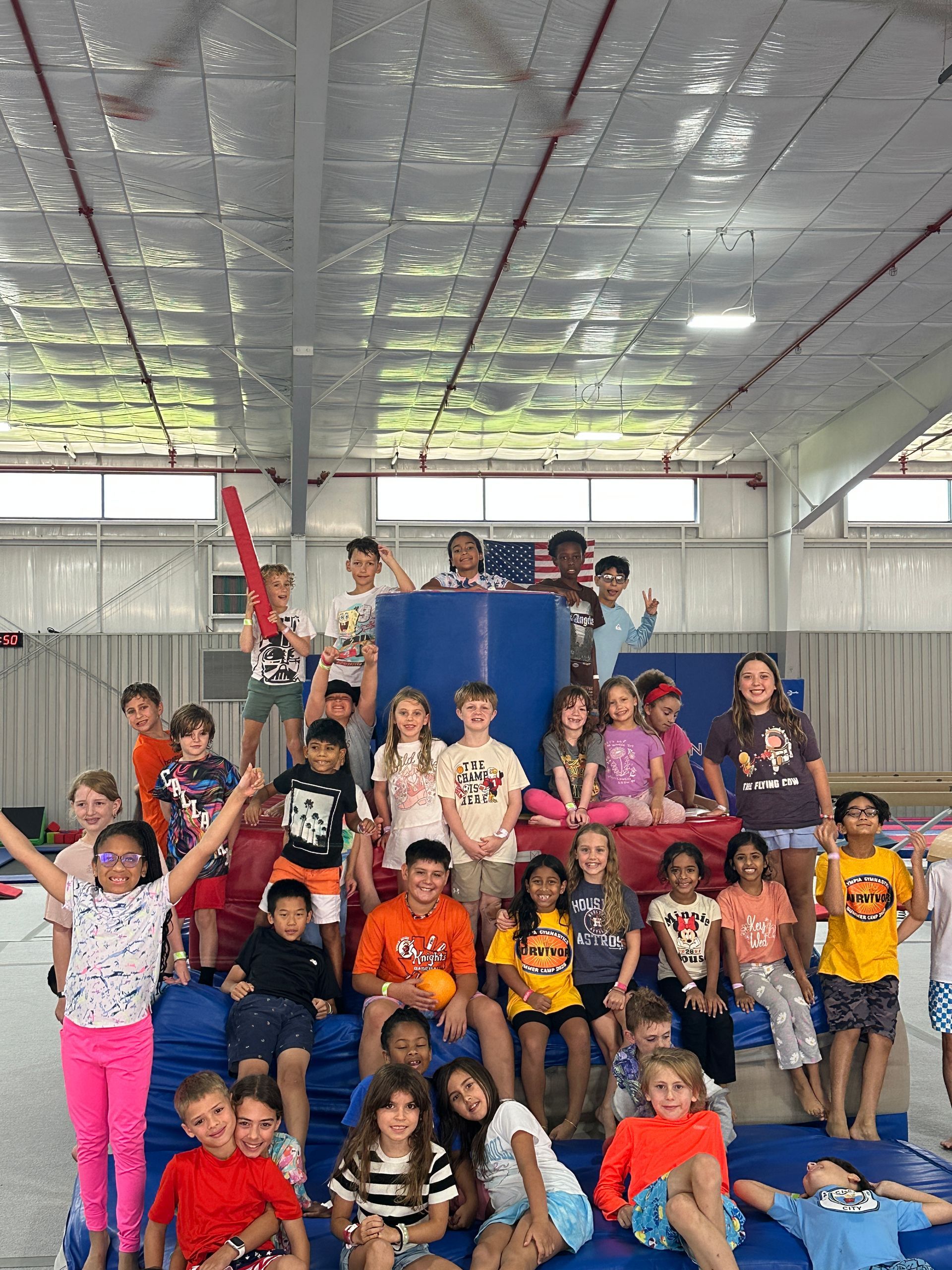
Looking for a kids birthday party in Missouri City, TX? Celebrate at Olympia Gymnastics with an active, fun-filled gymnastics party kids will love.

Is your child ready for competitive gymnastics in Houston? Learn about training, benefits, readiness signs, and what parents should know before joining a team.
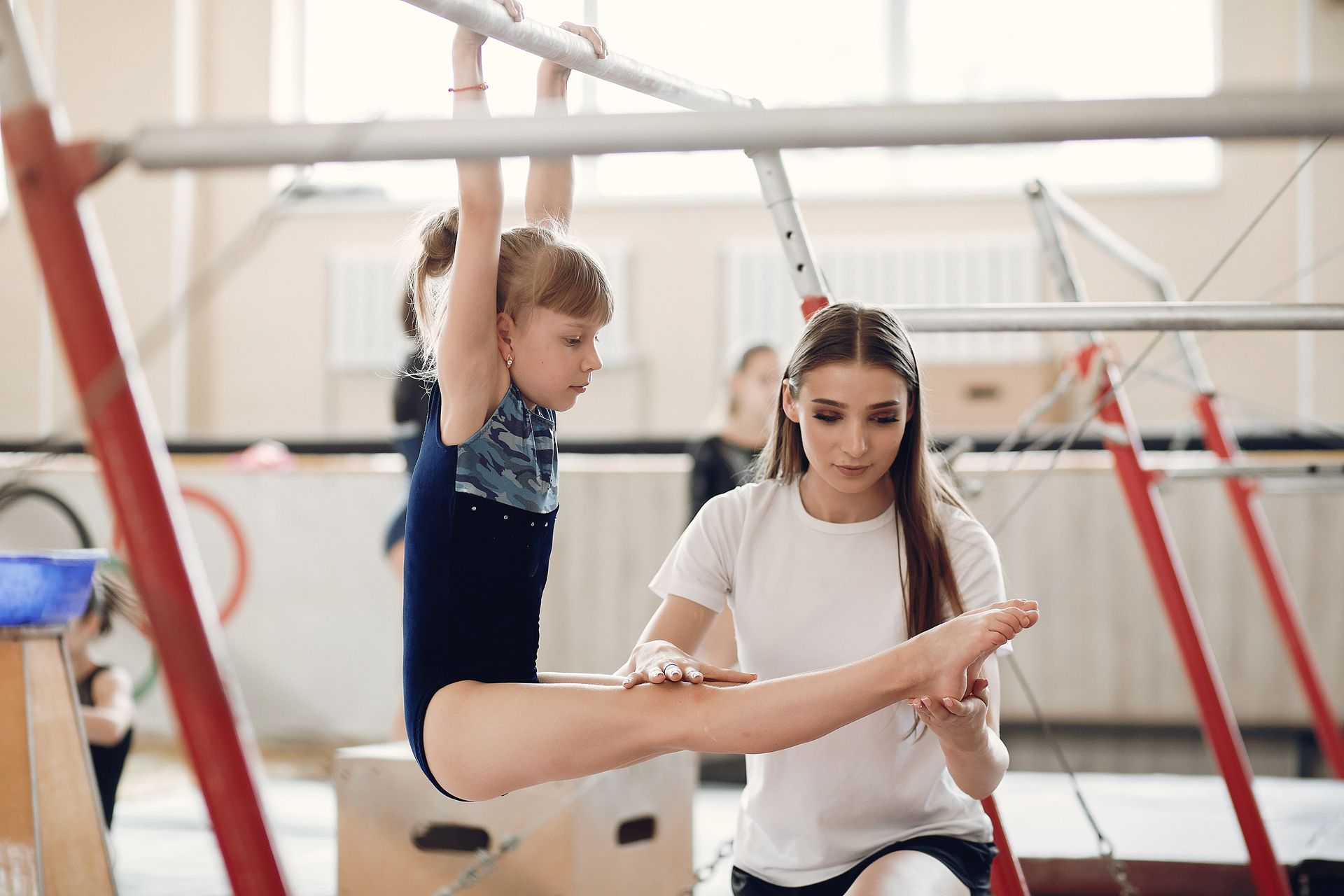
Learn how to help prevent common gymnastics injuries in kids with tips for warm-ups, conditioning, skill progression, recovery, proper coaching, and more.
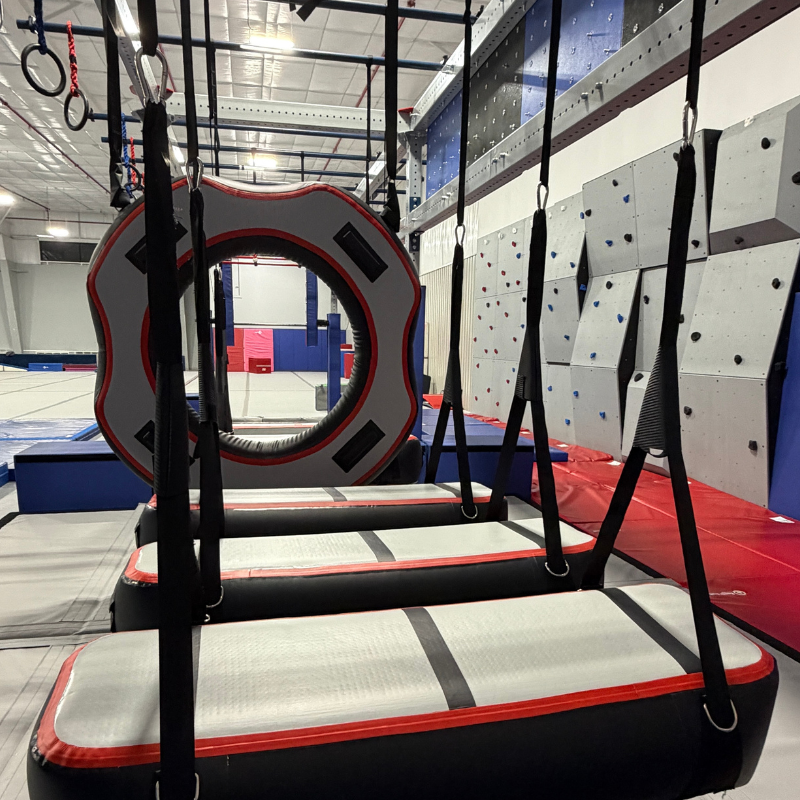
Help your son build strength, confidence, and coordination with Olympia's Warrior Program. Explore boys gymnastics classes in Missouri City, TX today.
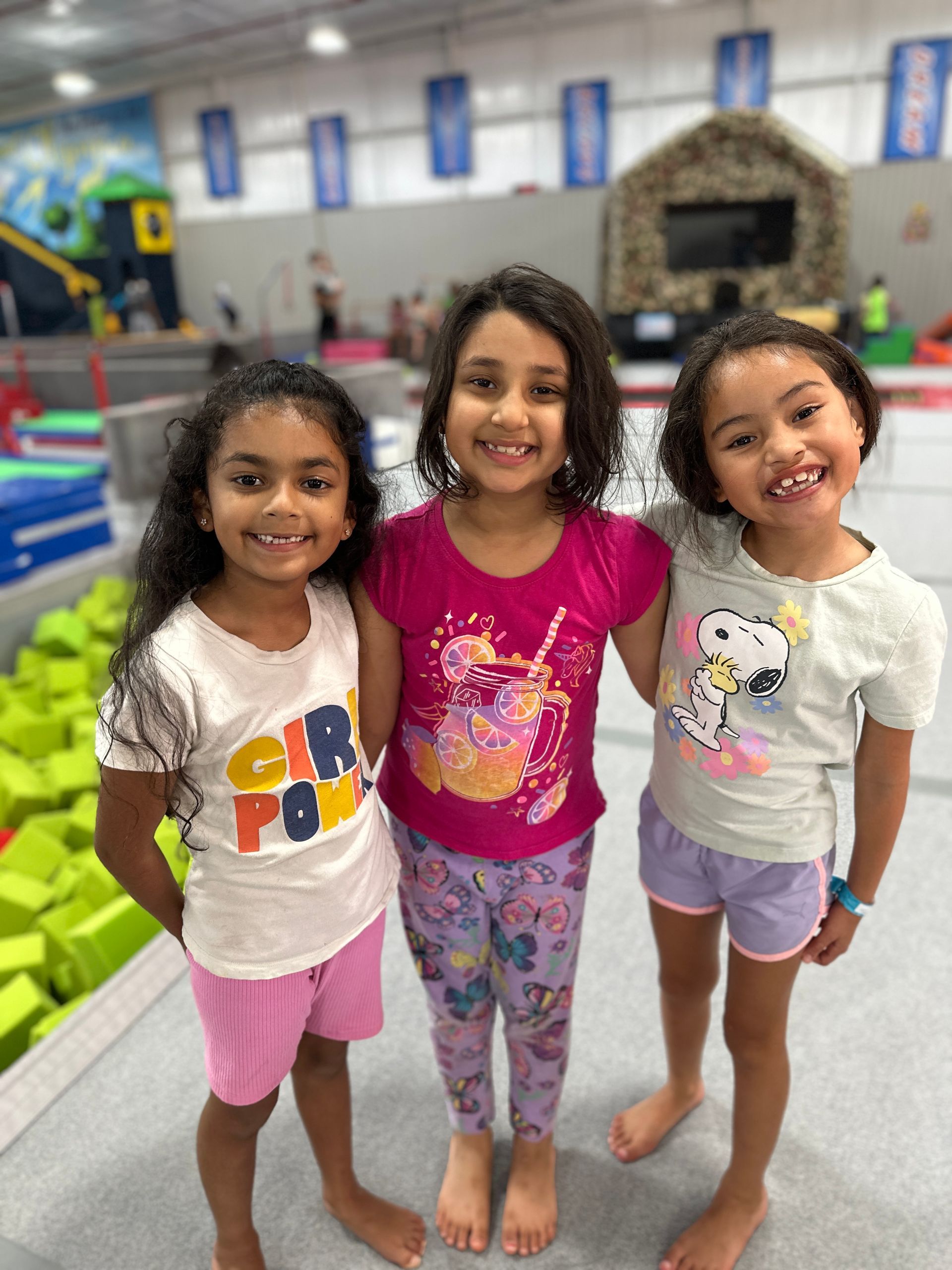
Explore preschool gymnastics classes in Missouri City, TX for ages 3–5. Olympia helps young children build balance, confidence, and coordination.
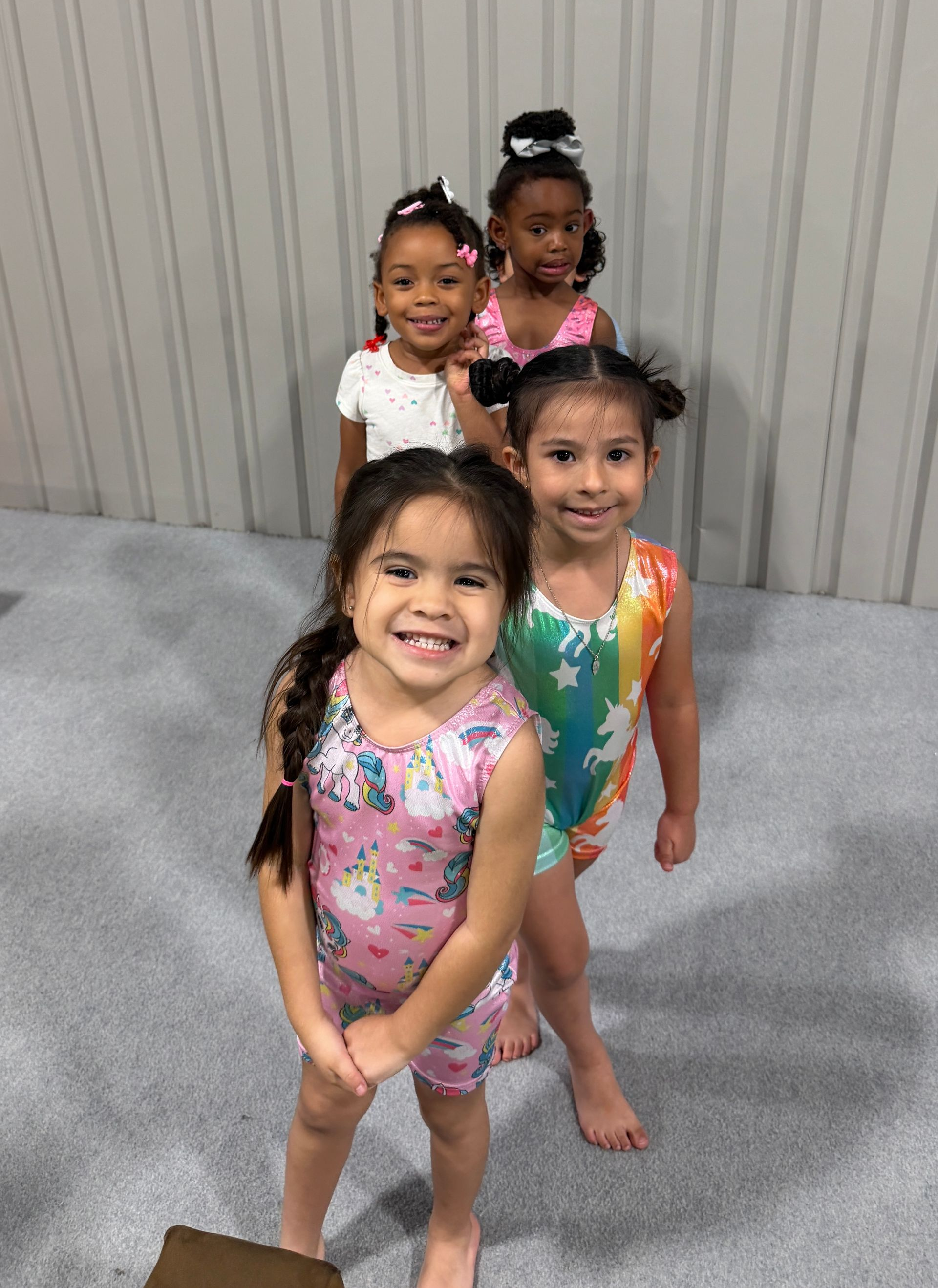
Build strength, confidence, and agility with children’s ninja classes in Missouri City, TX at Olympia Gymnastics and Tumbling. Contact us today!
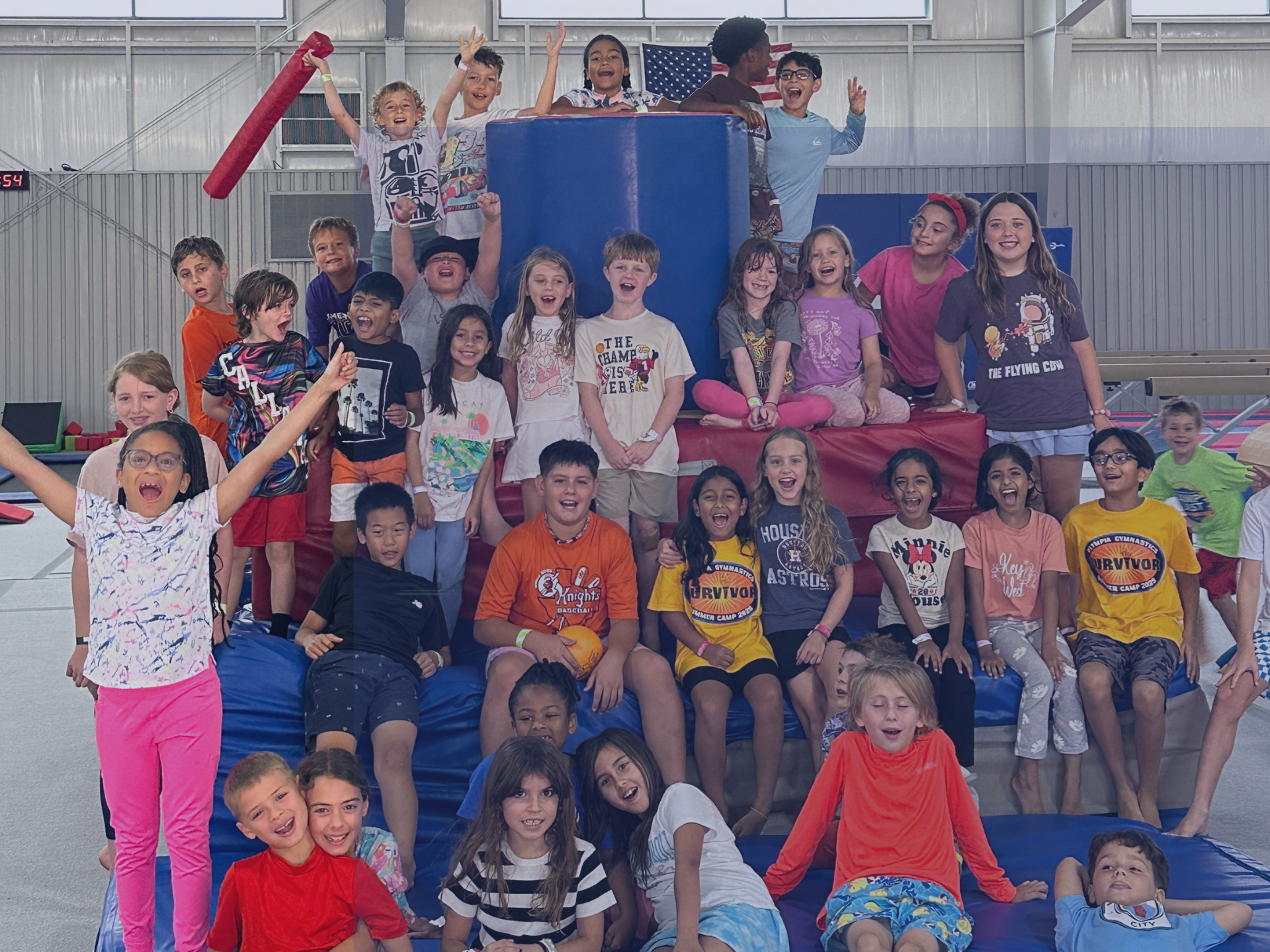
Houston summer gymnastics camps 2026: keep kids active, build confidence, and have fun. See Olympia’s camp experience, schedules, pricing, and how to register.
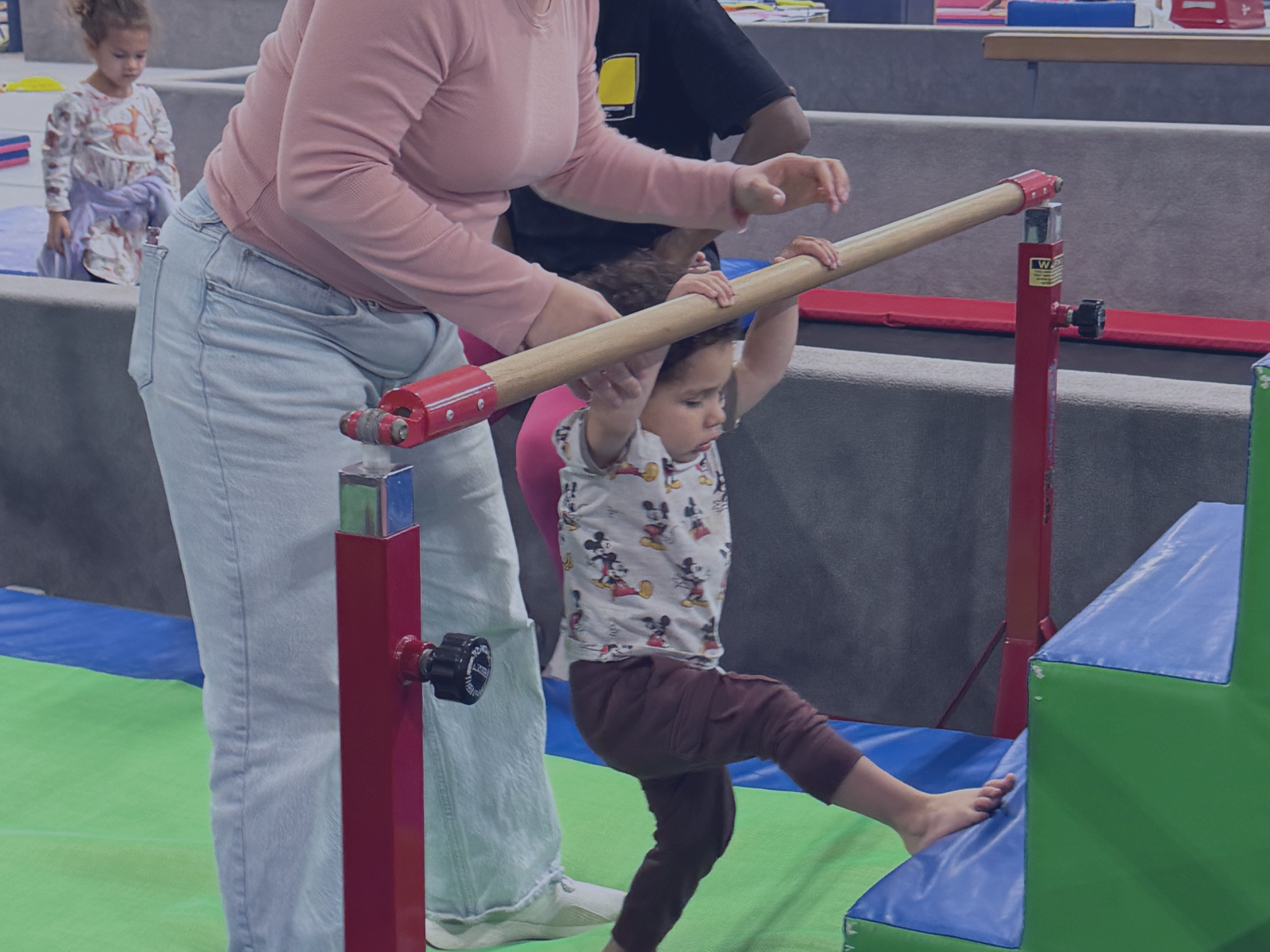
Discover the benefits of parent-tot gymnastics in Houston, TX. Learn how these classes support your child’s development and what to look for in the right program.
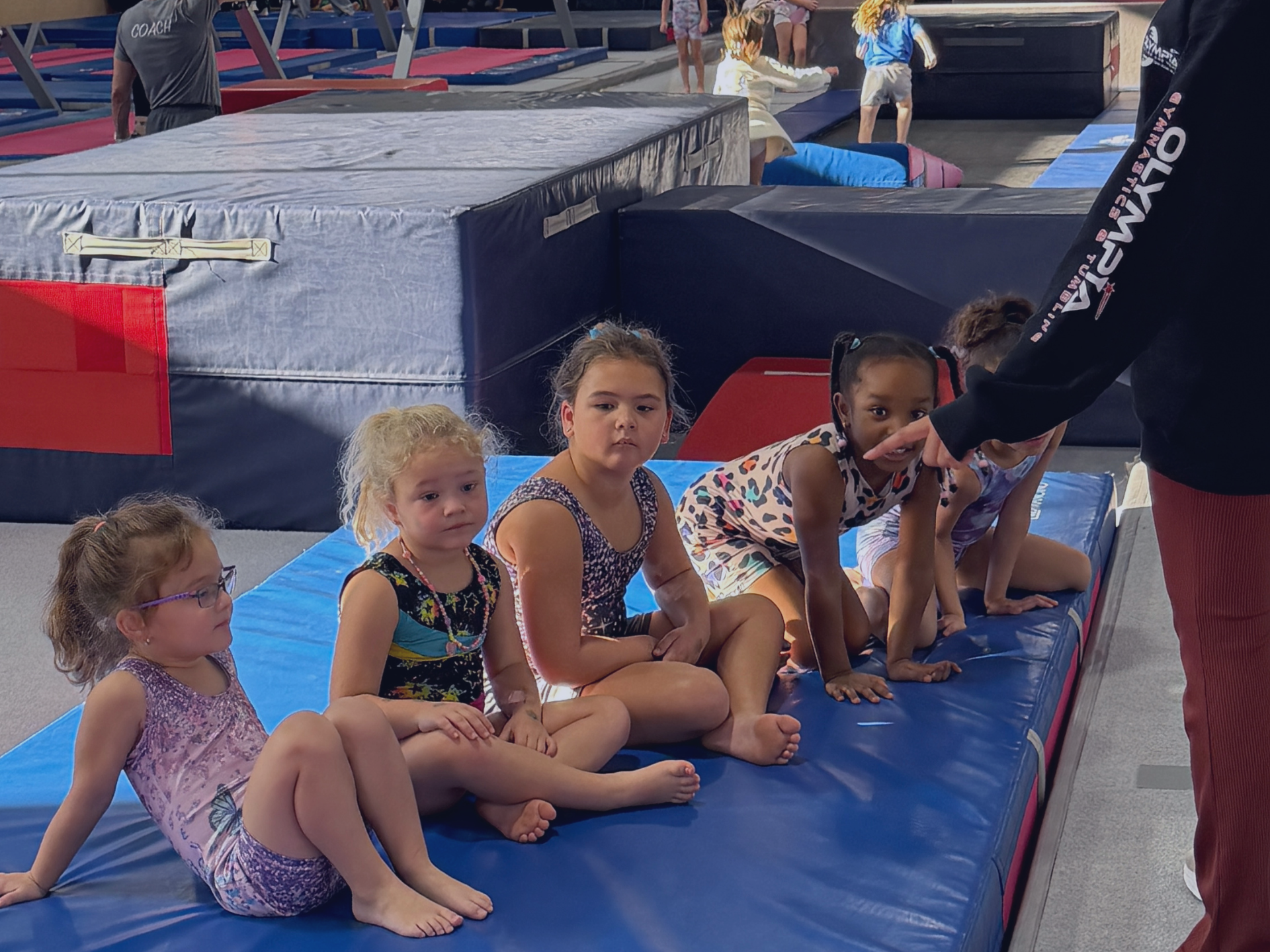
Learn why spring is the best time to start gymnastics classes in Missouri City, TX. Discover how kids build strength, coordination, and confidence before summer.
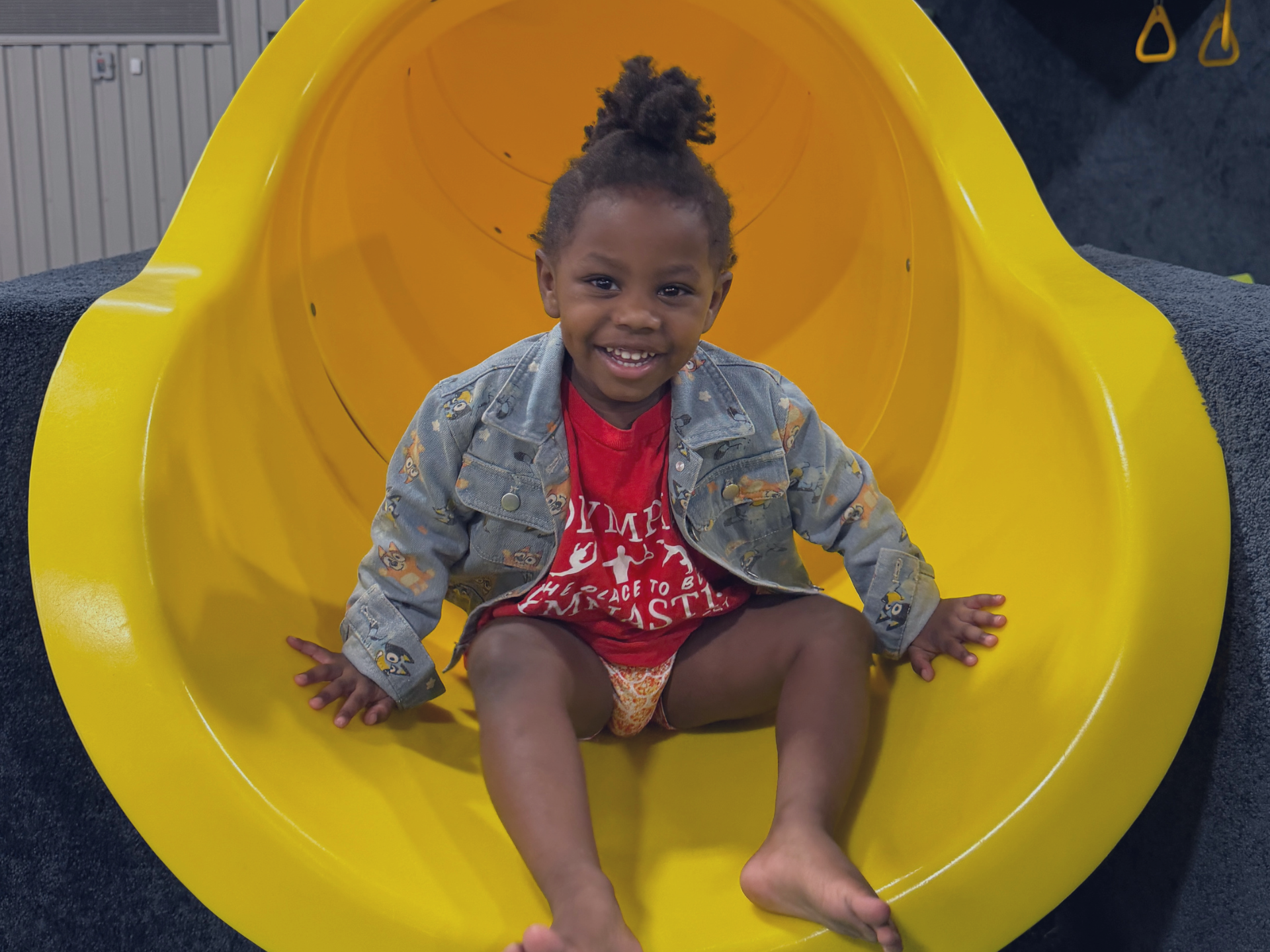
Looking for homeschool gymnastics near you? Learn the benefits and why families choose Olympia Gymnastics & Tumbling.