Blogs
Tumbling vs. Gymnastics: What’s the Difference & Which Is Right for Your Child?
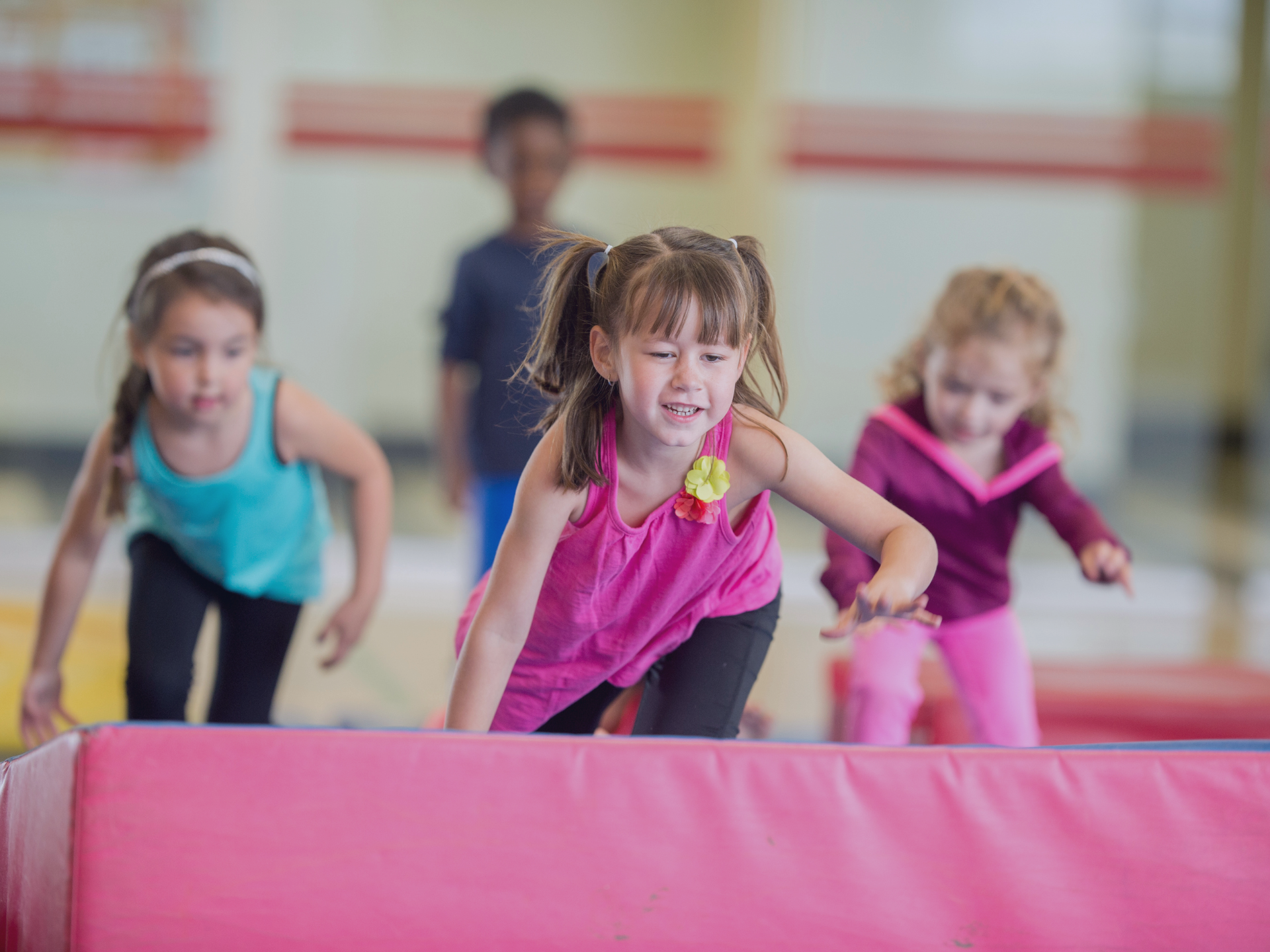
Tumbling vs. Gymnastics: Unpacking the Differences for Your Child
As a parent, you're constantly seeking activities that will ignite your child's passion, build their confidence, and foster healthy development. When it comes to acrobatic arts, two popular choices often emerge: tumbling and gymnastics. While they share dazzling flips and incredible displays of strength, they are distinct disciplines with different focuses and demands. Choosing between them can feel like navigating a maze, but don't worry, I'm here to illuminate the path. This guide will help you understand the core differences, evaluate your child's natural inclinations, and ultimately make an informed decision that truly resonates with their unique spirit.
The Foundations: What Tumbling and Gymnastics Actually Are (In Simple Terms)
Let's strip away the technical jargon and get to the heart of what each of these incredible activities entails. Understanding their basic premises is the first step in determining the best fit for your child's journey.
What Is Tumbling? A Focus on Powerful Floor Movement
Imagine a dazzling sequence of aerials, back handsprings, and full twists, all performed with incredible speed and power, moving seamlessly across a long, spring-loaded mat. That, my friend, is tumbling. At its core, tumbling is gymnastics' dynamic, floor-focused cousin. It's about mastering a series of continuous, acrobatic elements on a specialized runway, emphasizing explosive power, spatial awareness, and the ability to link complex maneuvers together. Think of it as the art of gravity-defying movement performed solely on the floor, building momentum from one skill into the next.
What Is Gymnastics? A Multi-Apparatus Approach to Strength, Skill, and Control
Now, picture a broader canvas of athletic artistry. Gymnastics, specifically Artistic Gymnastics, is an Olympic sport that encompasses multiple apparatuses. For girls, this typically includes the vault, uneven bars, balance beam, and floor exercise. For boys, it's the floor, pommel horse, still rings, vault, parallel bars, and high bar. Gymnastics is a comprehensive discipline that demands an incredible blend of strength, flexibility, coordination, balance, and artistic expression across these varied pieces of equipment. It's about developing a well-rounded athlete capable of executing precise, controlled movements, often with a flair for performance.
Comparing Flips to Bars: The Real Differences Between Tumbling and Gymnastics
While both involve awe-inspiring feats, the devil is in the details. Let's break down the tangible differences that will help you distinguish between the two for your child's athletic journey.
How the Skill Sets Differ: Tumbling vs. Gymnastics
In tumbling, the skills are primarily linear and revolve around powerful, continuous sequences on the floor. Think about the progression from a round-off to a back handspring, then a back tuck, and eventually a full-twisting layout. It's all about building and maintaining momentum, executing complex rotations, and landing cleanly.
Gymnastics, on the other hand, requires a much broader array of skill sets. On the uneven bars, it's about swings, releases, and re-catches; on the beam, it's about precise balance, leaps, and turns; on the vault, it's about explosive power for a single, impactful maneuver; and on the floor, while it includes tumbling passes, it also integrates dance, jumps, and turns. Gymnastics demands versatility across different types of movement and strength profiles.
Equipment Breakdown: What Tumbling Uses vs. What Gymnastics Requires
This is perhaps the most obvious difference. Tumbling primarily utilizes a long, spring-loaded mat, often called a tumble track or rod floor, designed to provide bounce and absorb impact for continuous, high-difficulty passes. Sometimes, mini trampolines or air tracks are also used for training specific skills.
Gymnastics, as we've discussed, requires a full suite of specialized equipment: the vault table, uneven bars, balance beam, and the much larger sprung floor for the floor exercise. Each apparatus presents its own unique challenges and requires specific training.
Physical Demands in Tumbling vs. Gymnastics: Strength, Flexibility, and Coordination
Both disciplines demand exceptional physical attributes, but the emphasis shifts. Tumbling leans heavily into explosive power, particularly in the legs and core, for generating height and speed in rotational skills. While flexibility is important for range of motion, pure strength for holding static positions isn't as central as it is in gymnastics.
Gymnastics, by contrast, requires a more comprehensive and balanced physical profile. Upper body strength is paramount for bars and rings, while core strength is crucial for every apparatus. Flexibility is key for extensions, splits, and artistic lines, and balance is constantly tested on the beam. Coordination is essential for linking complex movements across all apparatuses. Imagine the sheer isometric strength needed to hold a handstand on the rings versus the dynamic power for a double backflip in tumbling.
Competition Breakdown: Tumbling Skills vs. All-Around Gymnastics Performances
Competitive tumbling events typically involve athletes performing one or more "passes" – continuous sequences of acrobatic skills – across the tumbling track. Judges evaluate the difficulty, execution, and cleanliness of these passes.
Gymnastics competitions are "all-around," meaning athletes perform routines on all assigned apparatuses (e.g., vault, bars, beam, floor for girls; six events for boys). Their scores from each apparatus are combined to determine an overall ranking. This demands consistency and proficiency across a wide range of skills, not just explosive floor work.
Helping Your Child Choose: Is Tumbling or Gymnastics the Better Match?
Now that you understand the distinctions, let's connect them to your child's personality and preferences. This is where your keen observation skills as a parent come into play.
If Your Child Is Drawn to High-Energy Flips and Quick Power Skills
If your child is constantly bouncing, loves the idea of going airborne, and is captivated by powerful, fast-paced acrobatic sequences, tumbling might be their arena. Children who enjoy the immediate gratification of mastering a new flip or connecting a dynamic series of skills often thrive in tumbling. It's a fantastic outlet for those with boundless energy and a natural inclination towards explosive movement.
If Your Child Thrives on Variety and Full-Apparatus Gymnastics Training
Does your child enjoy diverse challenges? Are they intrigued by the idea of mastering different types of movements – from swinging on bars to balancing on a beam and performing expressive floor routines? If they appreciate variety, precision, and the development of a broad range of physical attributes, gymnastics offers that comprehensive experience. It's for the child who enjoys the journey of developing a complete athletic repertoire.
Temperament Matters: How Fear, Confidence, and Focus Play Into Tumbling vs. Gymnastics
Consider your child's temperament. A child who is a natural daredevil and embraces the thrill of high-flying maneuvers might feel right at home in tumbling. The progression of skills is often about building confidence in rotational and aerial awareness.
For children who might be a bit more cautious but possess excellent focus and determination, gymnastics could be a wonderful fit. While challenging, the apparatuses offer distinct, isolated skill sets that can be mastered incrementally. A child who enjoys meticulous practice and the gradual refinement of technique across different domains might find gymnastics deeply rewarding. Both activities build confidence, but the pathways to that confidence can differ significantly.
Starting Points Matter: What Age Is Best for Tumbling or Gymnastics?
Both tumbling and gymnastics can start at relatively young ages, often as early as 3-5 years old, with introductory "preschool" or "tot" classes focusing on fundamental movement patterns, body awareness, and basic shapes. These foundational classes are excellent for developing coordination and strength, regardless of the ultimate specialization.
For more structured, progressive training, 5-7 years old is a common starting point for both. At these ages, children have generally developed better listening skills, strength, and body control to begin learning more complex skills safely. The most crucial factor isn't a magic age, but rather the child's readiness, enthusiasm, and the quality of instruction.
The Crossover: Where Tumbling and Gymnastics Overlap
It's important to note that these two disciplines aren't entirely separate universes. There's a significant overlap. All artistic gymnasts perform a floor exercise routine that heavily features tumbling passes. In fact, many gymnasts cross-train in tumbling to enhance their power and aerial awareness for their floor routines. Conversely, tumblers benefit from the core strength, flexibility, and body control foundational to gymnastics training. They are complementary arts, with skills learned in one often aiding development in the other.
Making the Choice: Next Steps in Choosing Tumbling or Gymnastics
The decision isn't just theoretical; it requires practical exploration. Here's how to move forward.
Talk to Coaches and Observe Classes
The best way to get a feel for the environment is to visit local gyms. Speak with coaches about their programs, philosophies, and how they differentiate between tumbling and gymnastics. Ask if you can observe a class in session for both disciplines. Watching other children participate can give you and your child a clearer picture of what to expect.
Consider a Trial Period
Many gyms offer trial classes or introductory packages. This is an invaluable opportunity for your child to experience both tumbling and gymnastics firsthand. A few sessions will often reveal which activity truly captures their interest and where they feel most comfortable and challenged.
The Biggest Indicator: How Excited Your Child Is About Tumbling or Gymnastics
Ultimately, the most important factor is your child's excitement and engagement. Which activity do they talk about endlessly? Which one makes their eyes light up? While your practical considerations are important, their genuine enthusiasm is the strongest predictor of long-term commitment and enjoyment. Trust your child's intuition, and they will likely lead you to the path where they can truly soar.
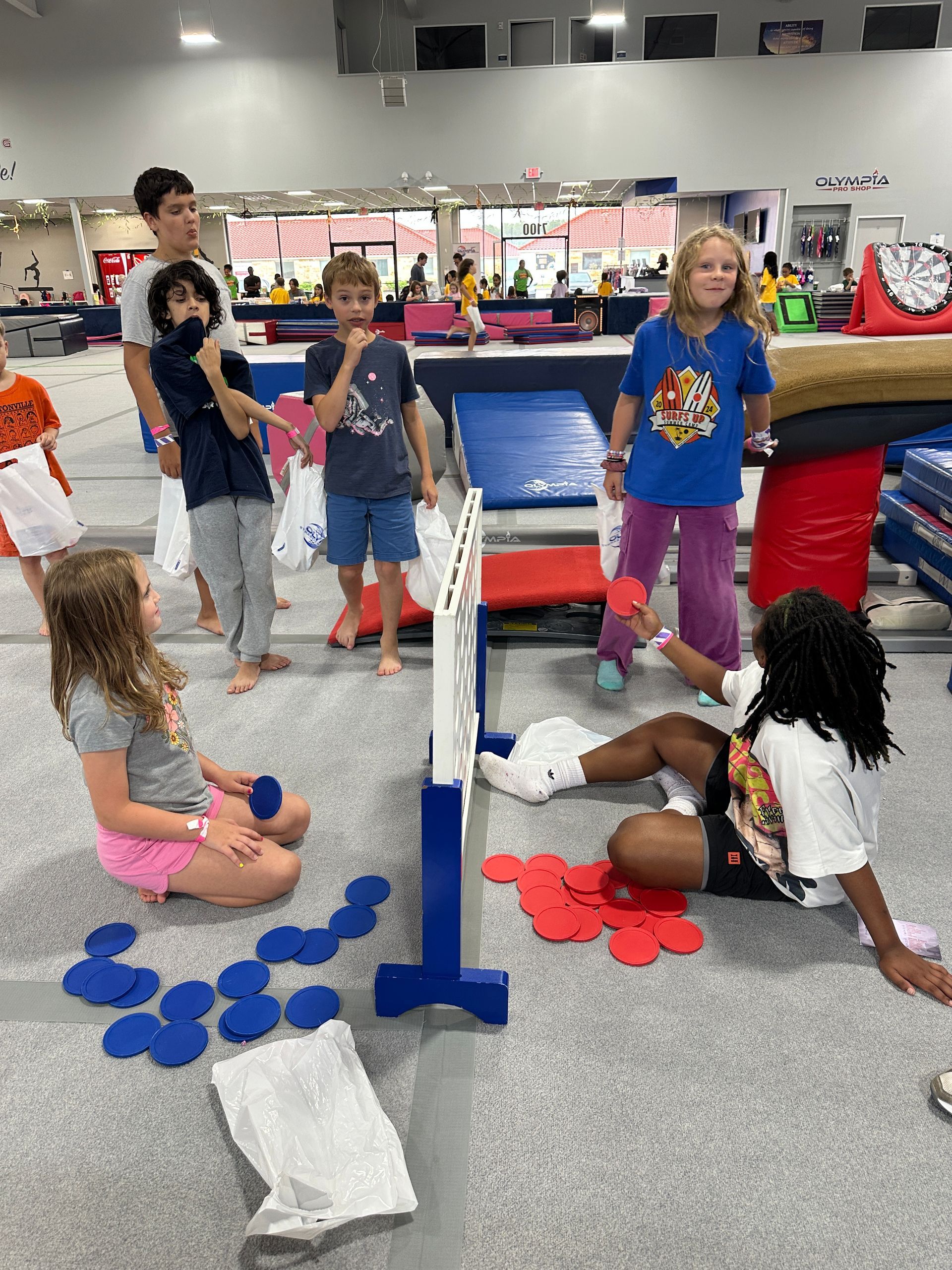
Give your kids a fun-filled day at Olympia's Parent's Day Out in Missouri City, TX! Enjoy gymnastics, games, and active play. View upcoming dates and register.
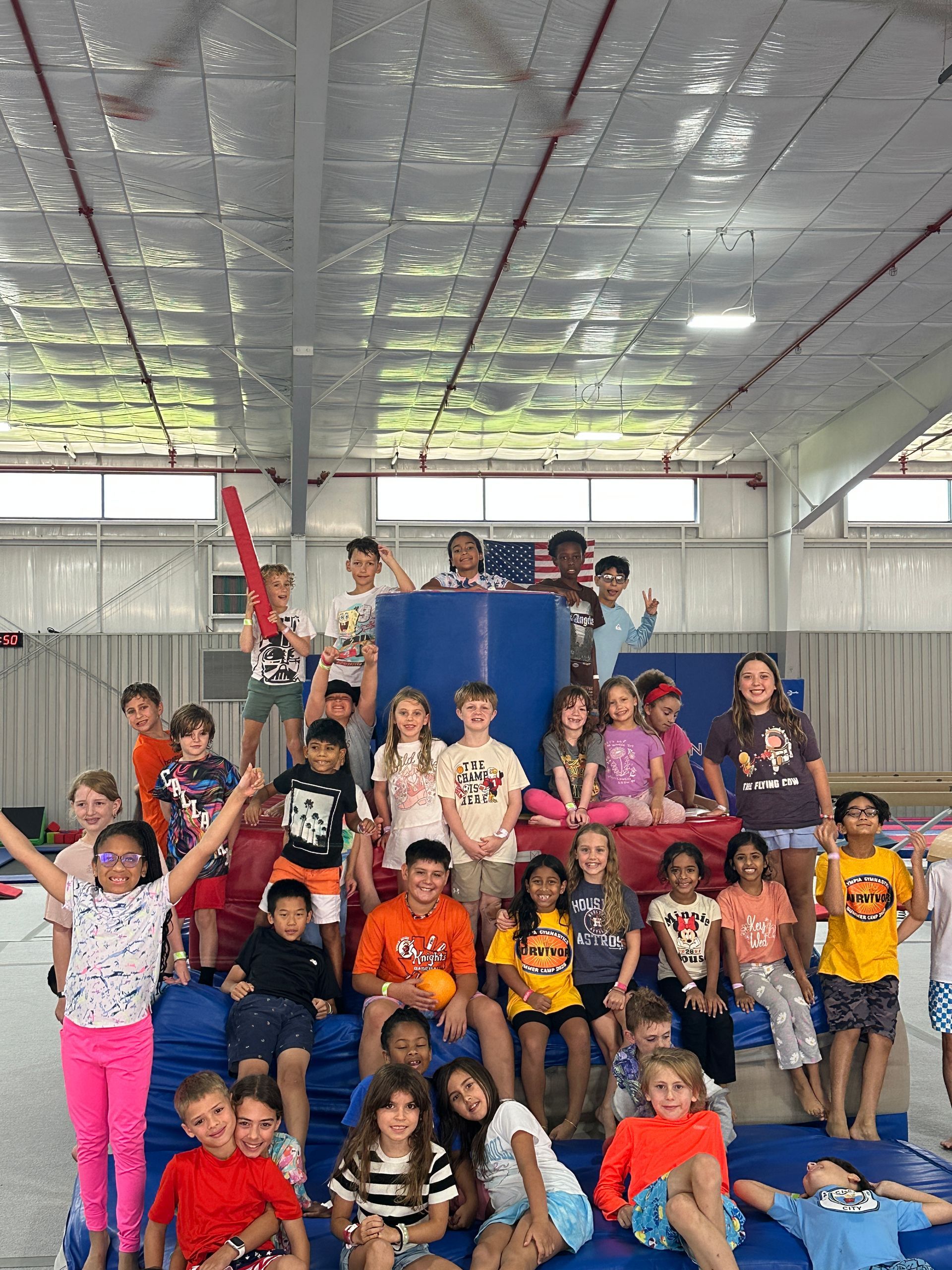
Looking for a kids birthday party in Missouri City, TX? Celebrate at Olympia Gymnastics with an active, fun-filled gymnastics party kids will love.

Is your child ready for competitive gymnastics in Houston? Learn about training, benefits, readiness signs, and what parents should know before joining a team.
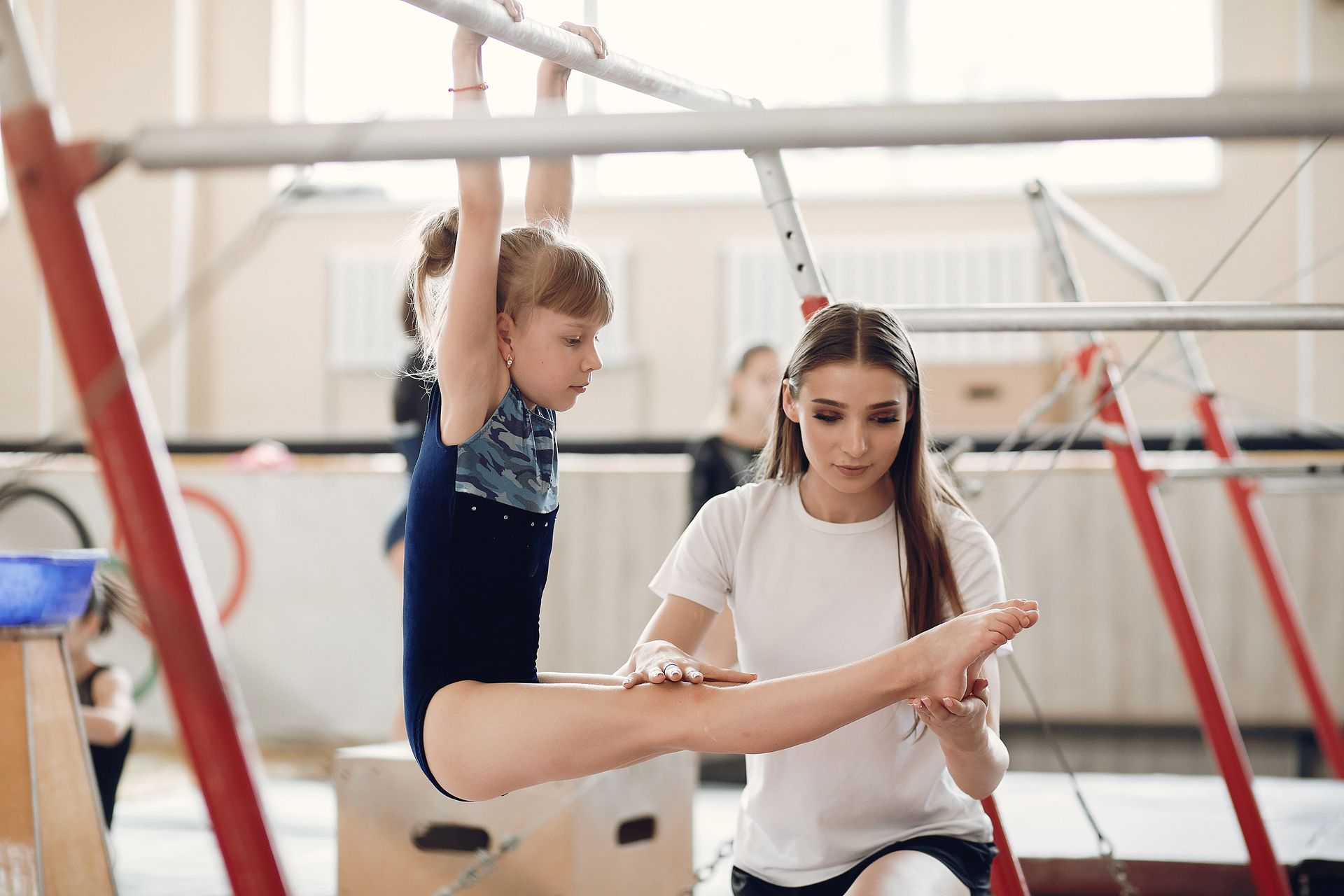
Learn how to help prevent common gymnastics injuries in kids with tips for warm-ups, conditioning, skill progression, recovery, proper coaching, and more.
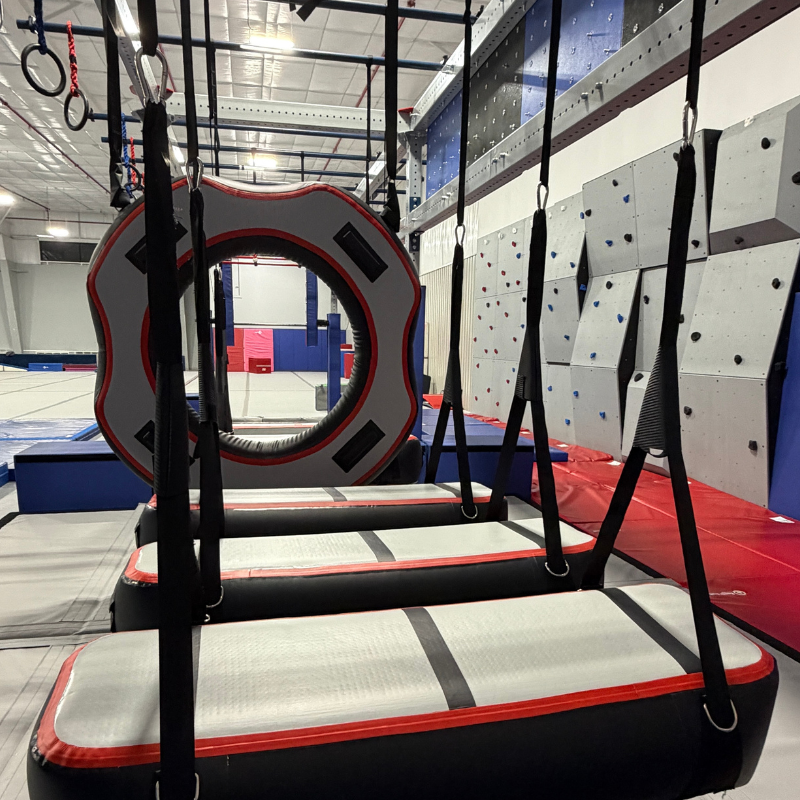
Help your son build strength, confidence, and coordination with Olympia's Warrior Program. Explore boys gymnastics classes in Missouri City, TX today.

Explore preschool gymnastics classes in Missouri City, TX for ages 3–5. Olympia helps young children build balance, confidence, and coordination.
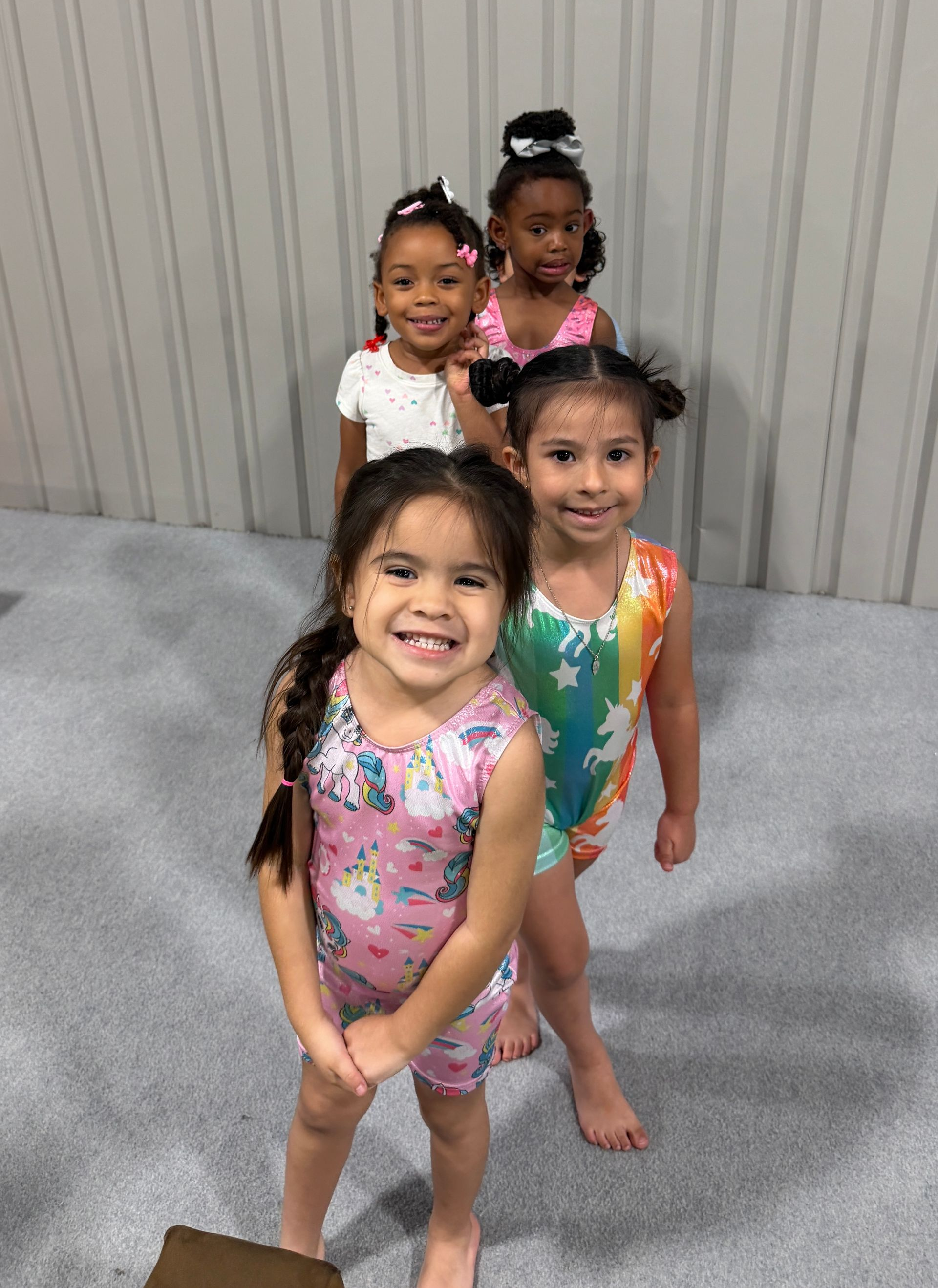
Build strength, confidence, and agility with children’s ninja classes in Missouri City, TX at Olympia Gymnastics and Tumbling. Contact us today!
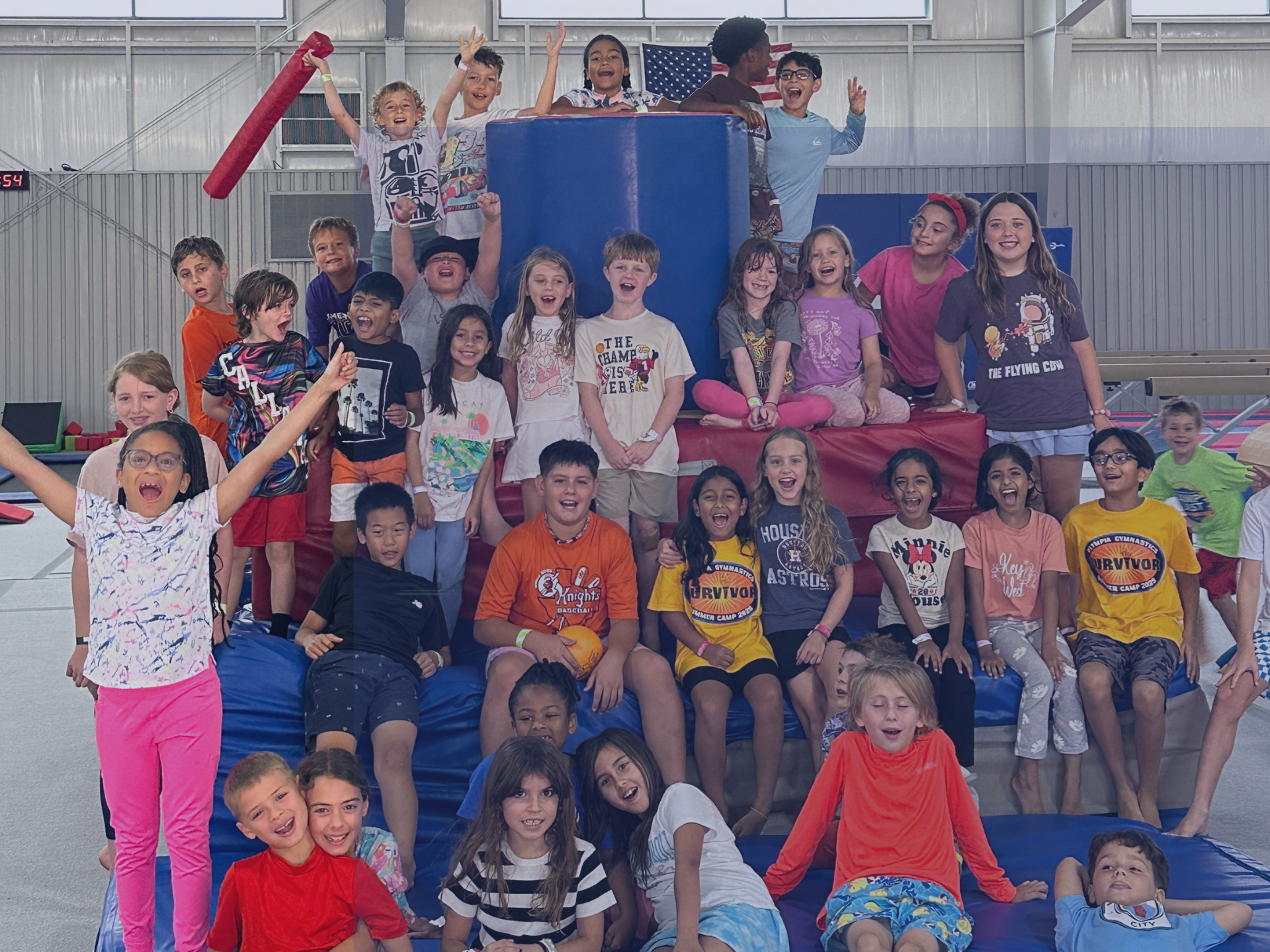
Houston summer gymnastics camps 2026: keep kids active, build confidence, and have fun. See Olympia’s camp experience, schedules, pricing, and how to register.
Discover the benefits of parent-tot gymnastics in Houston, TX. Learn how these classes support your child’s development and what to look for in the right program.
Learn why spring is the best time to start gymnastics classes in Missouri City, TX. Discover how kids build strength, coordination, and confidence before summer.