Blogs
Gymnastics for Beginners: 10 Essential Gymnastics Skills
Welcome, aspiring gymnast! You're about to embark on an incredible journey—one that builds not just physical prowess, but also mental grit and discipline. Many people imagine mid-air somersaults and intricate beam routines when they hear "gymnastics." While those are certainly part of the sport, every single elite performance begins with a solid foundation. You're here because you want to understand that foundation, to learn the crucial stepping stones that transform a curious beginner into a confident athlete. This guide will illuminate those first, fundamental skills, giving you a clear roadmap to start your gymnastics adventure.
Beyond Cartwheels: A Closer Look at the Top 10 Beginner Gymnastics Skills
Think of gymnastics as building a magnificent skyscraper. You wouldn't start by hoisting the spire; you'd meticulously lay the groundwork, pour a robust foundation, and erect a strong skeleton. Beginner gymnastics is precisely that foundational work. It's about developing the core competencies that unlock more complex movements later on. This isn't just a list of things to do; it's a progression, a carefully curated sequence designed to build strength, flexibility, body awareness, and coordination in a safe and effective manner.
What "Beginner" Truly Means in Gymnastics
In gymnastics, "beginner" isn't a static label; it's a stage of intense learning and development. It signifies someone who is new to the structured training and specific demands of the sport. A beginner might be strong from other activities, but they likely lack the specific strength, flexibility, and body control that gymnastics demands. It means you're learning how to control your body in new and precise ways, often against gravity, and cultivating an awareness of every limb, joint, and muscle. It's about mastering the ABCs before you can write a novel. Don't underestimate this stage; it's where champions are forged.
The Foundation: Strength, Flexibility, and Balance for Beginner Gymnasts
Before you even think about learning a specific skill, you need to cultivate your body's raw potential. Imagine trying to paint a masterpiece with a flimsy brush and dried-up paints. It simply won't work. In gymnastics, strength, flexibility, and balance are your high-quality brushes and vibrant paints. They are the prerequisites that make skill acquisition not just possible, but safe and efficient.
The Crucial Role of Conditioning
Conditioning in gymnastics is a deliberate process, not just a workout. Exercises such as pull-ups and sit-ups develop the essential strength, mobility, and proprioception needed for safe and effective skill development. Picture the body like a precision machine—conditioning provides the maintenance, reinforces the structure, and keeps everything operating smoothly. When conditioning is consistent, skills become easier to learn and perform. When it’s lacking, progress slows and injury risk rises. It’s the quiet but critical foundation behind every gymnastics routine.
Why Gymnastics is More Than Just Flips
Gymnastics is a holistic discipline. While the spectacle of flips and twists grabs attention, the true essence of gymnastics lies in the development of incredible body control, mental resilience, and an unwavering commitment to perfection. It teaches you how to push past perceived limits, to understand your body's capabilities intimately, and to recover from setbacks with grace. It instills discipline, focus, and an incredible sense of accomplishment. It's a sport that builds character as much as it builds muscles. Every skill you learn is a testament to your dedication, a physical manifestation of your mental fortitude.
10 Essential Gymnastics Skills Every Beginner Should Work Toward
Now, let's get down to the brass tacks – the specific skills that will form the bedrock of your gymnastics journey. These aren't just isolated tricks; they are interconnected building blocks, each supporting the next. Master these, and you'll be well on your way.
1. The Essential Pike Stretch: The Gateway to Flexibility
The pike stretch is arguably one of the most fundamental flexibility exercises in gymnastics. Imagine your body as a hinge at the hips. In a perfect pike, your legs are straight and together, your back is flat, and your chest is resting on your thighs, with your hands reaching past your feet. For beginners, the goal isn't immediate perfection, but rather the consistent effort to lengthen the hamstrings and loosen the lower back. This stretch is critical for almost every tumbling pass, jump, and landing, as it allows for proper body shape and rotation. Without a good pike, your range of motion will be limited, making everything from rolls to handstands significantly harder and potentially unsafe.
2. The Strong Handstand Hold: A Key Skill for Early Gymnastics Progress
The handstand is the quintessential gymnastics skill, and for good reason. It teaches balance, core strength, shoulder stability, and body tension—all while defying gravity. For beginners, the focus isn't on a perfect freestanding handstand in the middle of the floor, but rather on developing a strong, stacked body shape against a wall. Think of your body as a straight line from your fingertips to your toes, with your hips directly over your shoulders and your shoulders over your wrists. Holding this inverted position, even for short durations, builds incredible upper body strength and core strength, and cultivates the necessary body awareness to control your balance in an upside-down world. It’s a confidence builder, too; once you can hold yourself inverted, a whole new world of possibilities opens up.
3. The Beginner Forward Roll: A Simple Start to Tumbling Skills
The forward roll is one of the first basic gymnastics skills taught, and it’s invaluable. It teaches you how to safely rotate your body over your head, absorb impact, and finish in a controlled position. Imagine tucking into a tight ball—chin tucked to your chest, hands pressing into the floor, and rolling smoothly along the curve of your spine instead of putting pressure on your head or neck. The key is maintaining that tight, rounded shape throughout the entire roll, protecting your neck and keeping the motion fluid. It’s more than just a roll; it’s an introduction to safe falling, spatial awareness, and linking movements—core elements behind all future skills.
4. The Backward Roll: Building Confidence With More Challenging Movements
Once you've mastered the forward roll, the backward roll is the natural progression. It's often more challenging initially because it requires a different kind of body awareness and trust. Starting in a seated position or standing, you'll round your back, tuck your chin, and gently roll backward, placing your hands on the floor beside your ears, palms flat and fingers pointing towards your shoulders. As your hips lift, you push strongly through your hands to create space for your head to clear, finishing either in a tuck or standing position. This skill is fantastic for developing shoulder flexibility, core strength, and a deeper understanding of momentum and body control when moving in an unfamiliar direction. It builds immense confidence in your ability to manipulate your body in space.
5. The Bridge: Building Back Strength and Flexibility for Beginners
The bridge, often called a backbend, is a cornerstone for back flexibility and strength. Lying on your back, you'll place your hands flat on the floor beside your ears, fingers pointing toward your feet, and your feet flat near your glutes. Then, you push up strongly through your arms and legs, lifting your hips and chest toward the ceiling, aiming to create a smooth, even arch with your body. For beginners, the goal is simply to get off the floor and feel the stretch and strength involved. The bridge is crucial for building the spinal flexibility and power needed for skills like the kickover, handsprings, walkovers, and many other acrobatic elements. It teaches you to engage your entire posterior chain—from your glutes to your shoulders—in a powerful, coordinated way.
6. The Cartwheel: A Fundamental Traveling Skill for New Gymnasts
Ah, the cartwheel! Often the first “flashy” skill beginners aspire to, and a truly foundational traveling movement. A good cartwheel isn’t just flinging yourself sideways; it’s a controlled rotation around a central axis (your hands). You start in a strong lunge, one foot forward and hips squared, then lean into the movement, place your hands one after the other on the floor, kick your legs over your head, and land one foot at a time, facing the opposite direction from where you started. The key is keeping your legs straight and maintaining an open body shape through the inversion. It teaches spatial awareness, dynamic balance, and the coordination of arms and legs in a rotational movement—essential for round-offs, aerials, and twisting elements down the road.
7. The Essential L-Sit: Core Strength Defined
The L-Sit is a powerful indicator of core strength, shoulder strength, and hip flexor flexibility—an essential part of early gymnastics training. While it looks deceptively simple, holding yourself suspended with your legs straight out in front of you in an “L” shape is incredibly challenging. For beginners, it’s best to start with a tuck L-Sit, keeping your knees close to your chest. The L-Sit teaches you to activate your entire core—your rectus abdominis, obliques, and transverse abdominis—alongside your hip flexors and shoulder depressors to lift and stabilize your body. This full-body tension directly supports skills like holding a strong handstand position and contributes to powerful jumps and controlled shapes. It’s a true test—and builder—of foundational strength.
8. The Beginner Split: Developing Strength, Control, and Flexibility
Both the front split and the straddle split are benchmarks of flexibility in gymnastics. For beginners, the goal isn't to hit a perfect 180-degree split on day one, but to consistently work towards increasing range of motion in the hips and hamstrings. The split isn't just about passive stretching; it requires active engagement of the muscles surrounding the hip joint to achieve and control the position. Flexibility in the splits is crucial for powerful leaps, aesthetically pleasing poses, and safe landings. It teaches your body to move through extreme ranges of motion with control, preventing injury and unlocking more dynamic skills.
9. The Stable Candlestick Position: Teaching Beginners Core Engagement
The candlestick position is a deceptively simple yet profoundly important skill. Lying on your back, you lift your legs straight up towards the ceiling, then push your hips off the floor, supporting your lower back with your hands, and keeping your body in a straight line from your shoulders to your toes. Imagine standing straight up, but upside down. This position teaches incredible core compression, lower back strength, and the ability to maintain a tight, hollow body shape. It's a prerequisite for backward rolls, handstand fall-outs, and many other inversion skills, as it trains the muscles responsible for lifting your hips and maintaining control during inversion.
10. The Lever Hold: Teaching Full-Body Tension and Stability
The lever hold is one of the essential skills that teaches gymnasts how to enter a handstand with control instead of momentum. Starting in a lunge, you hinge forward at the hips, keeping your arms by your ears while your back leg lifts behind you. The goal is to maintain one long, straight line from fingertips to toes as your upper body lowers and your back leg rises—almost like a perfectly balanced see-saw. This position demands full-body tension, alignment, and focus, all of which are crucial for transitioning smoothly into the handstand position. The lever hold builds the core stability, shoulder strength, and body awareness needed to make handstand entries clean, consistent, and safe. It’s a foundational movement with a big impact.
Beyond the Skills: What Growth Looks Like in Gymnastics for Beginners
Learning the skills is just one part of the journey. True growth in gymnastics, especially for a beginner, involves embracing the entire process—the physical, mental, and emotional aspects.
Finding the Right Coaching and Environment
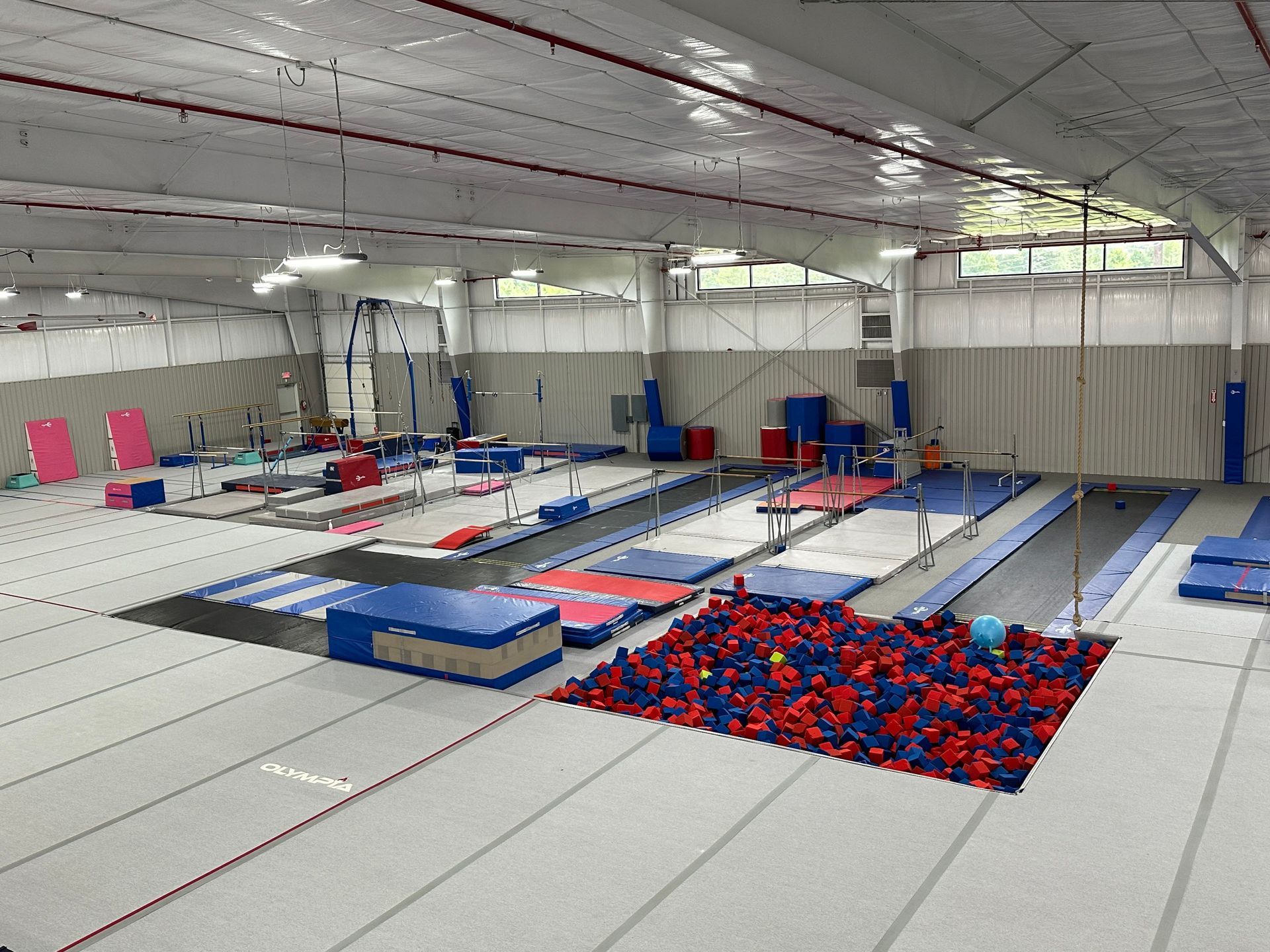
This is paramount. A good coach is more than just someone who demonstrates skills; they are a mentor, a safety expert, and a motivator. Look for coaches who emphasize proper technique over rushing to advanced skills, who understand body mechanics, and who prioritize safety. The right environment is also crucial—a gym with appropriate equipment, safety mats, and a positive, encouraging atmosphere. A supportive community of fellow gymnasts can make all the difference, providing camaraderie and motivation during challenging moments. Don't be afraid to try a few different gyms or coaches to find the best fit for you.
Patience and Persistence: Essentials for Beginner Gymnasts
Gymnastics is not a sprint; it's a marathon. You will encounter plateaus, frustrations, and days where you feel like you're not making any progress. This is normal. The most successful gymnasts aren't necessarily the most naturally gifted; they are often the ones who show up consistently, push through discomfort, and never give up. Celebrate small victories, learn from every attempt, and trust the process. Persistence in the face of difficulty is a skill learned in gymnastics that translates to every aspect of life.
Safety First: What Beginners Need to Know to Stay Safe in Gymnastics
Safety is non-negotiable. Always listen to your coach, no matter how simple the instruction. Never attempt skills without proper supervision or without having built the necessary foundational strength and flexibility. Understand the importance of warm-ups and cool-downs. Learn how to fall safely, and always use appropriate matting. Pain is your body's alarm system; don't ignore it. Pushing through sharp pain is a recipe for injury. Building strength and flexibility gradually is the safest and most effective path to long-term progress.
Your Next Step: Continuing the Journey in Gymnastics for Beginners
You now have a clearer understanding of the foundational skills and the mindset required for beginner gymnastics. This isn't just about performing cool tricks; it's about building a robust, capable body and a resilient, focused mind. Your next step is to find a reputable gymnastics gym, enroll in a beginner-friendly class, and commit yourself to the process. Embrace the challenges, celebrate every small victory, and enjoy the incredible transformation that gymnastics will bring to your life. The journey has just begun, and the rewards are immense. Go forth and tumble!
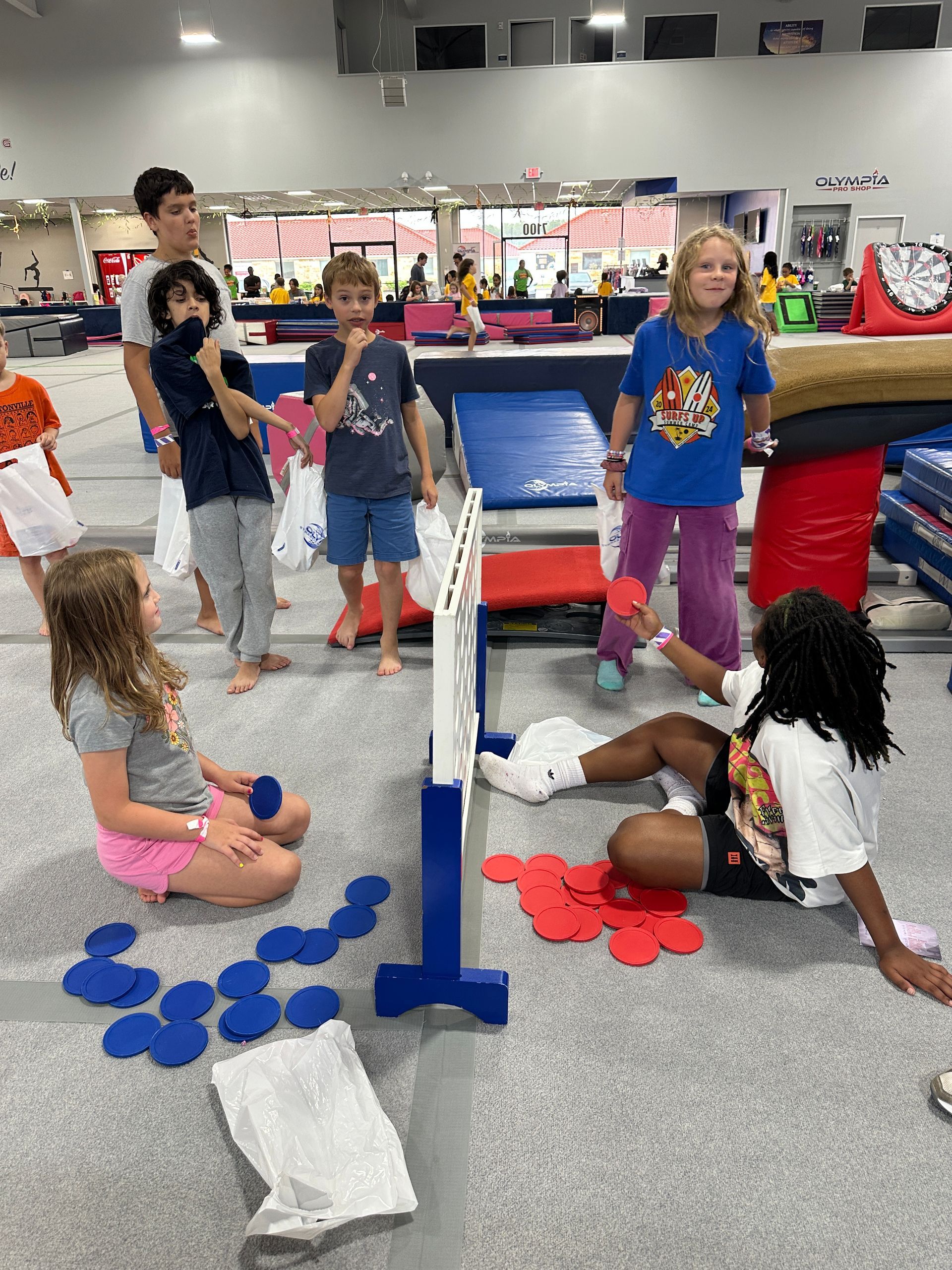
Give your kids a fun-filled day at Olympia's Parent's Day Out in Missouri City, TX! Enjoy gymnastics, games, and active play. View upcoming dates and register.
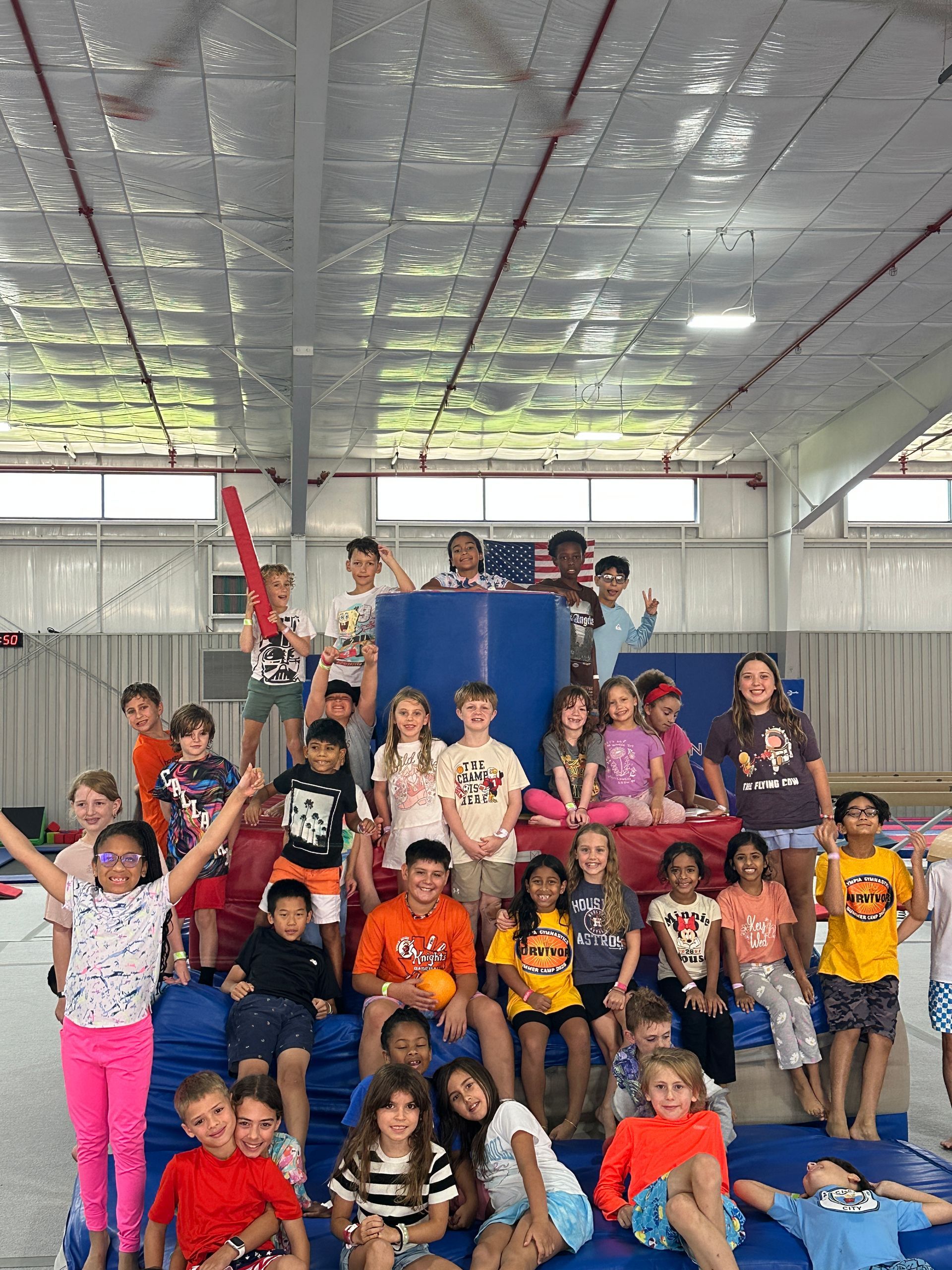
Looking for a kids birthday party in Missouri City, TX? Celebrate at Olympia Gymnastics with an active, fun-filled gymnastics party kids will love.

Is your child ready for competitive gymnastics in Houston? Learn about training, benefits, readiness signs, and what parents should know before joining a team.
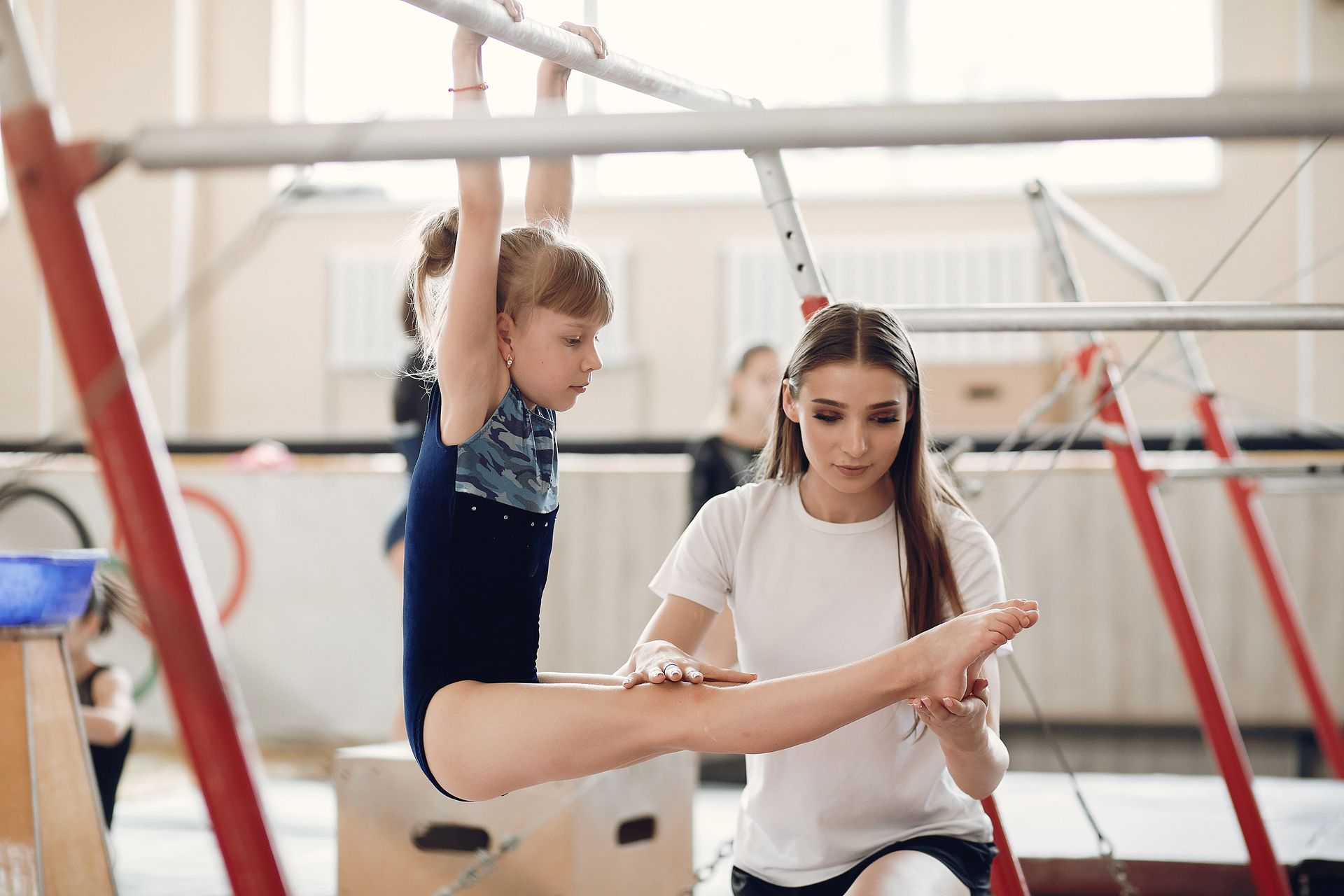
Learn how to help prevent common gymnastics injuries in kids with tips for warm-ups, conditioning, skill progression, recovery, proper coaching, and more.
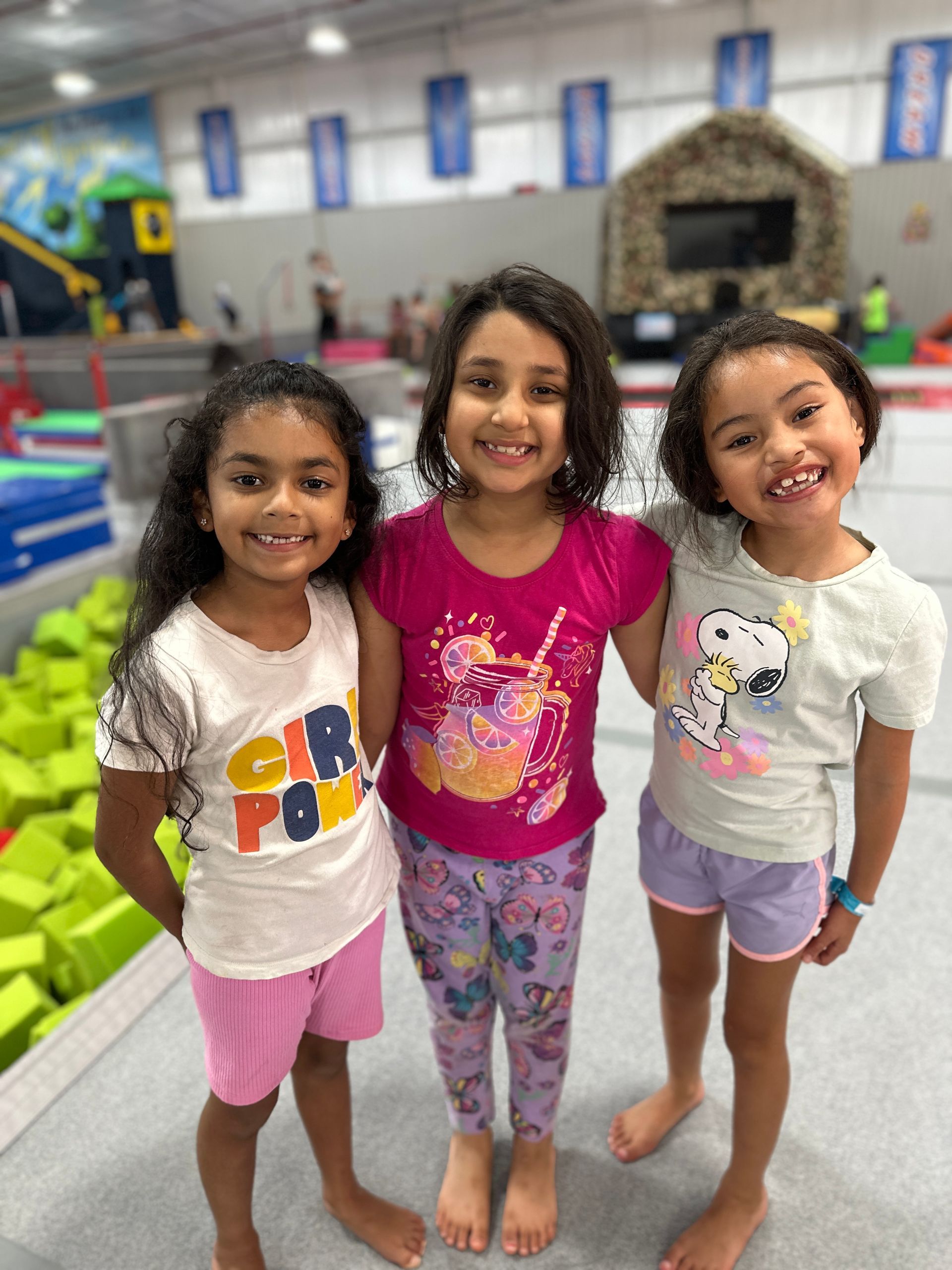
Help your son build strength, confidence, and coordination with Olympia's Warrior Program. Explore boys gymnastics classes in Missouri City, TX today.
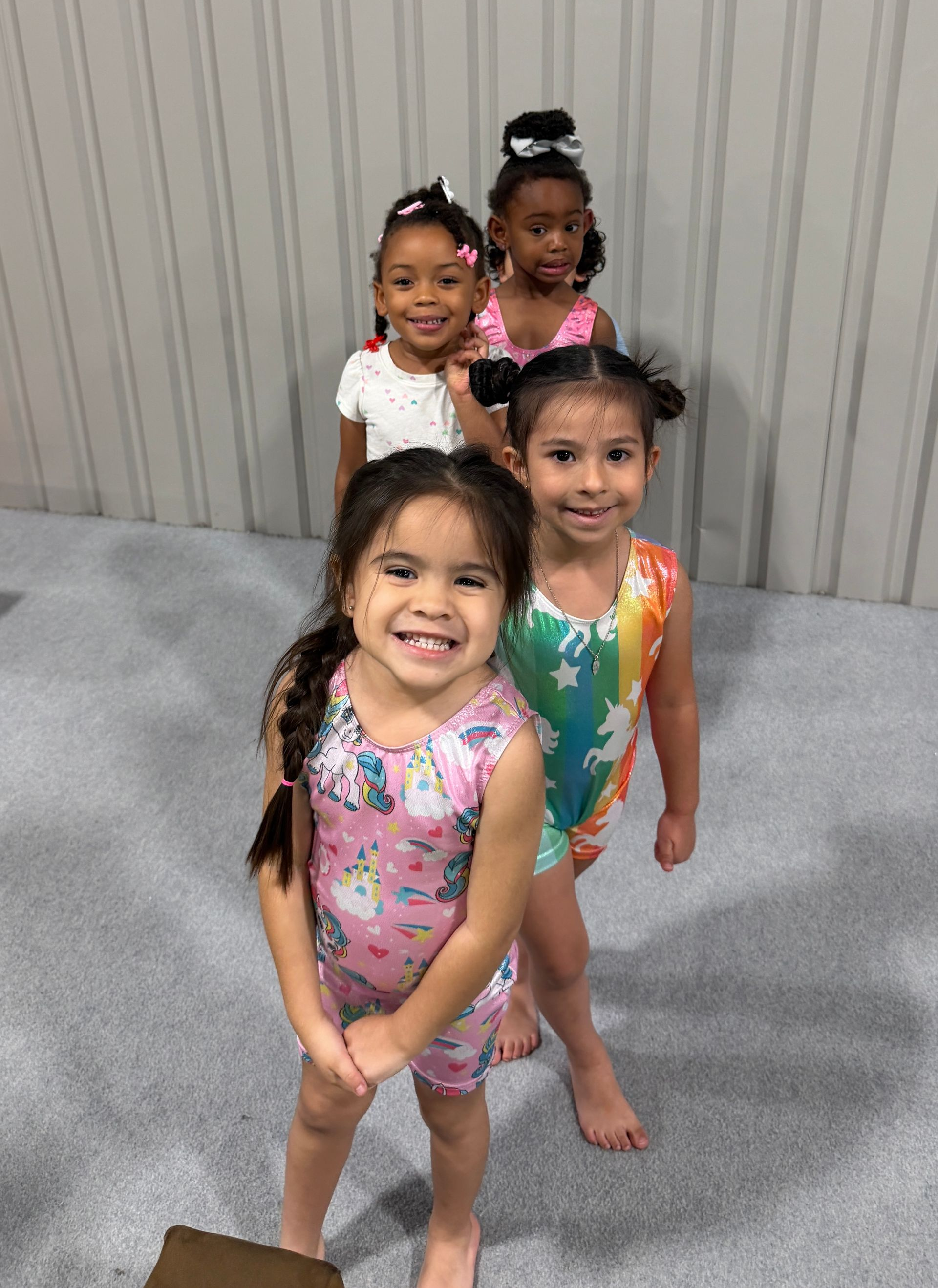
Explore preschool gymnastics classes in Missouri City, TX for ages 3–5. Olympia helps young children build balance, confidence, and coordination.
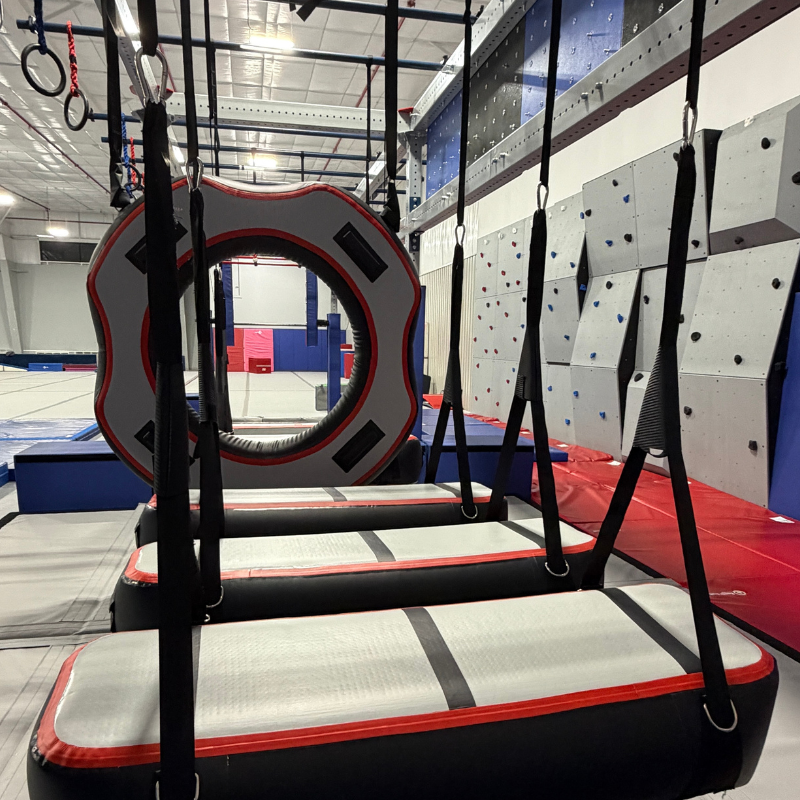
Build strength, confidence, and agility with children’s ninja classes in Missouri City, TX at Olympia Gymnastics and Tumbling. Contact us today!
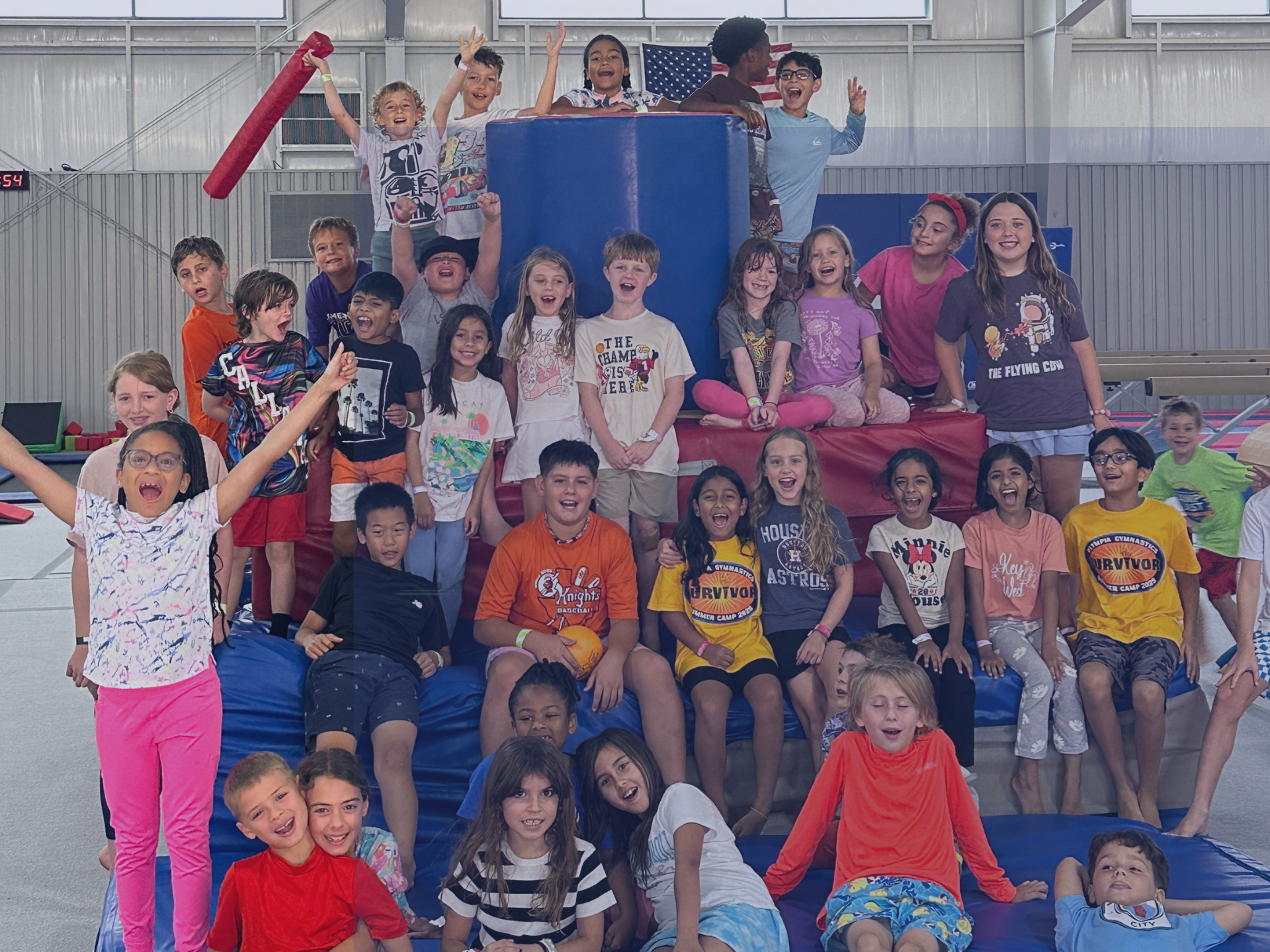
Houston summer gymnastics camps 2026: keep kids active, build confidence, and have fun. See Olympia’s camp experience, schedules, pricing, and how to register.
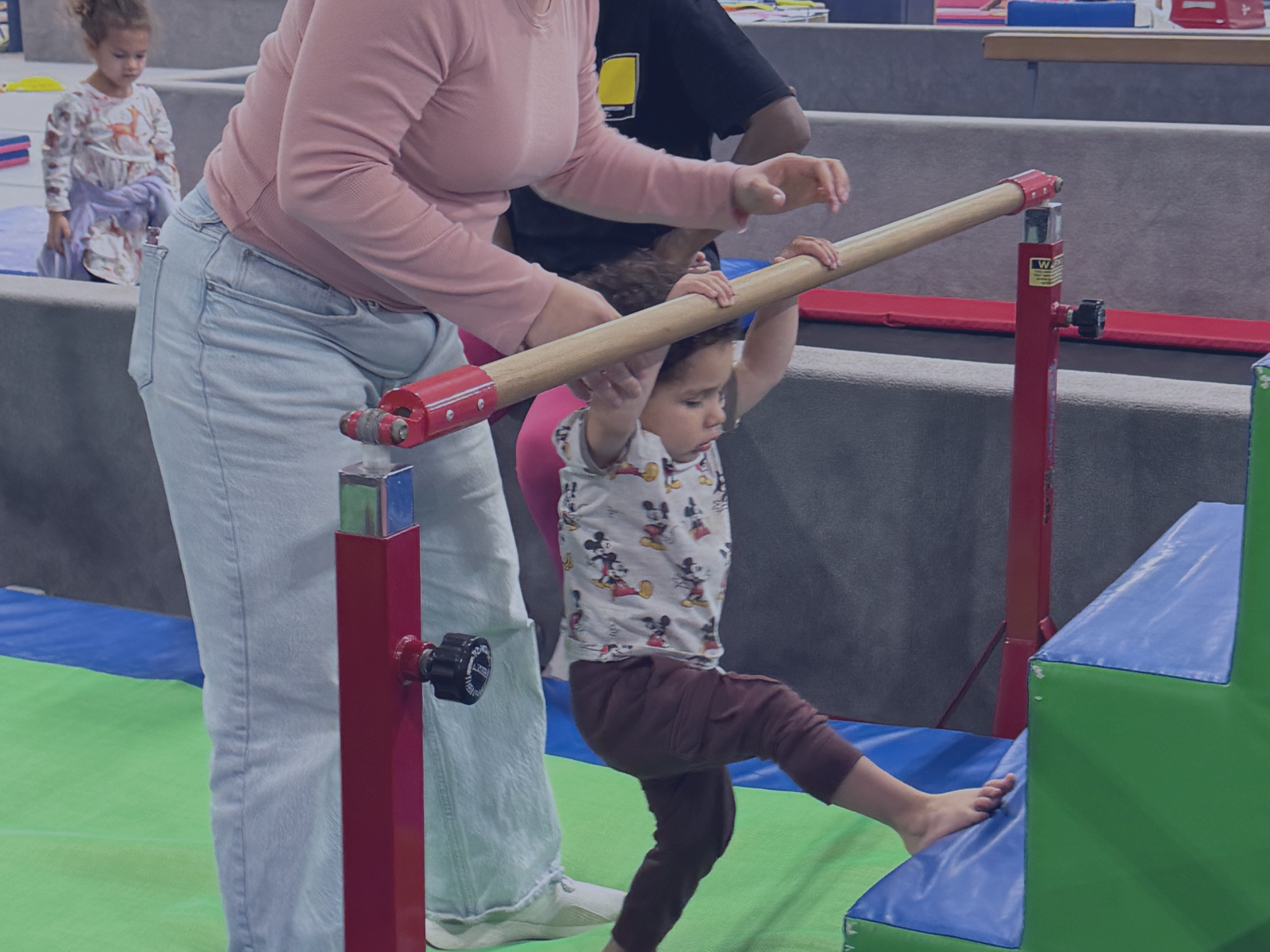
Discover the benefits of parent-tot gymnastics in Houston, TX. Learn how these classes support your child’s development and what to look for in the right program.
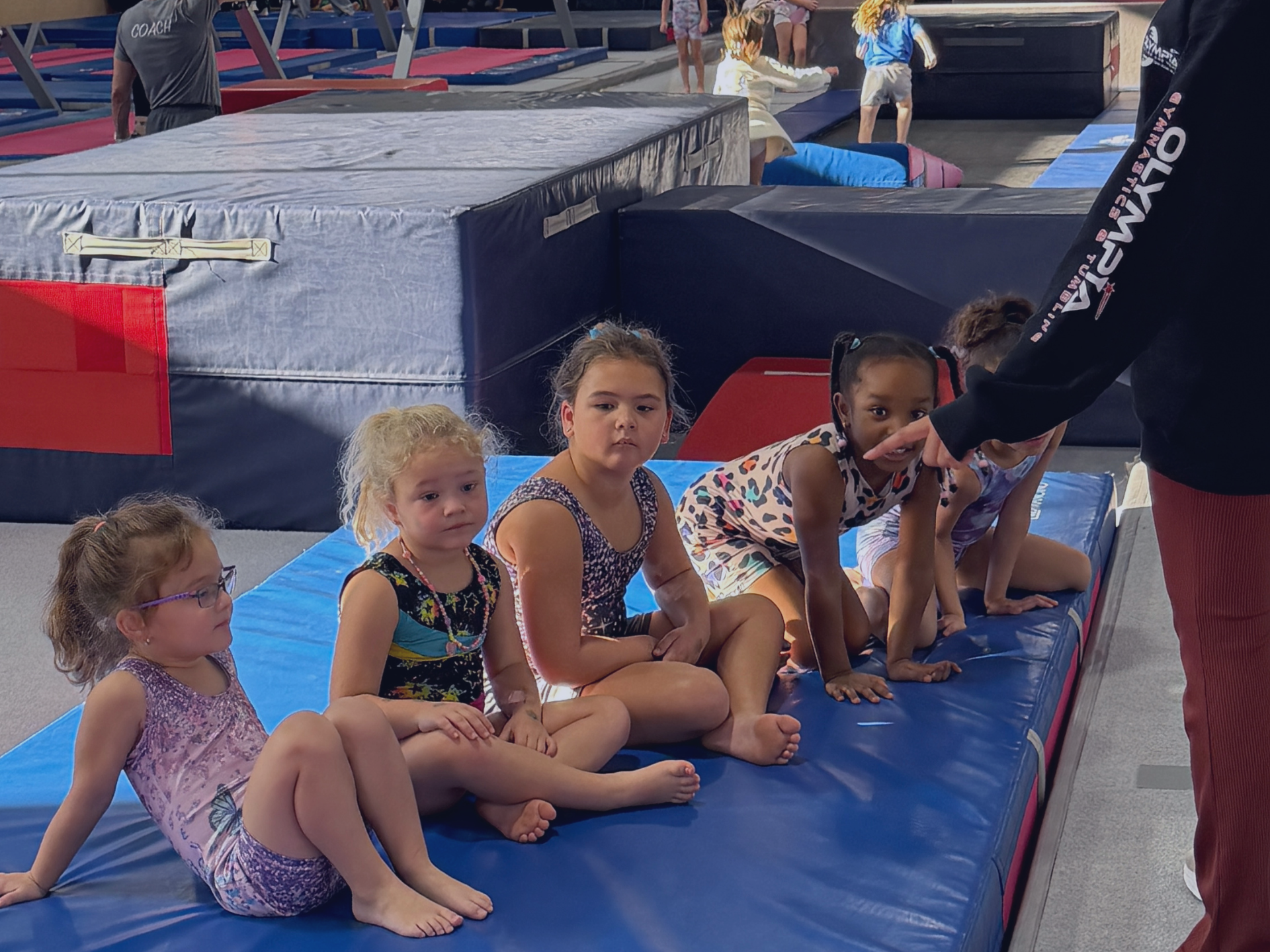
Learn why spring is the best time to start gymnastics classes in Missouri City, TX. Discover how kids build strength, coordination, and confidence before summer.