
Blogs
Why Spring Is Best for Gymnastics Classes Near Me in Missouri City, TX
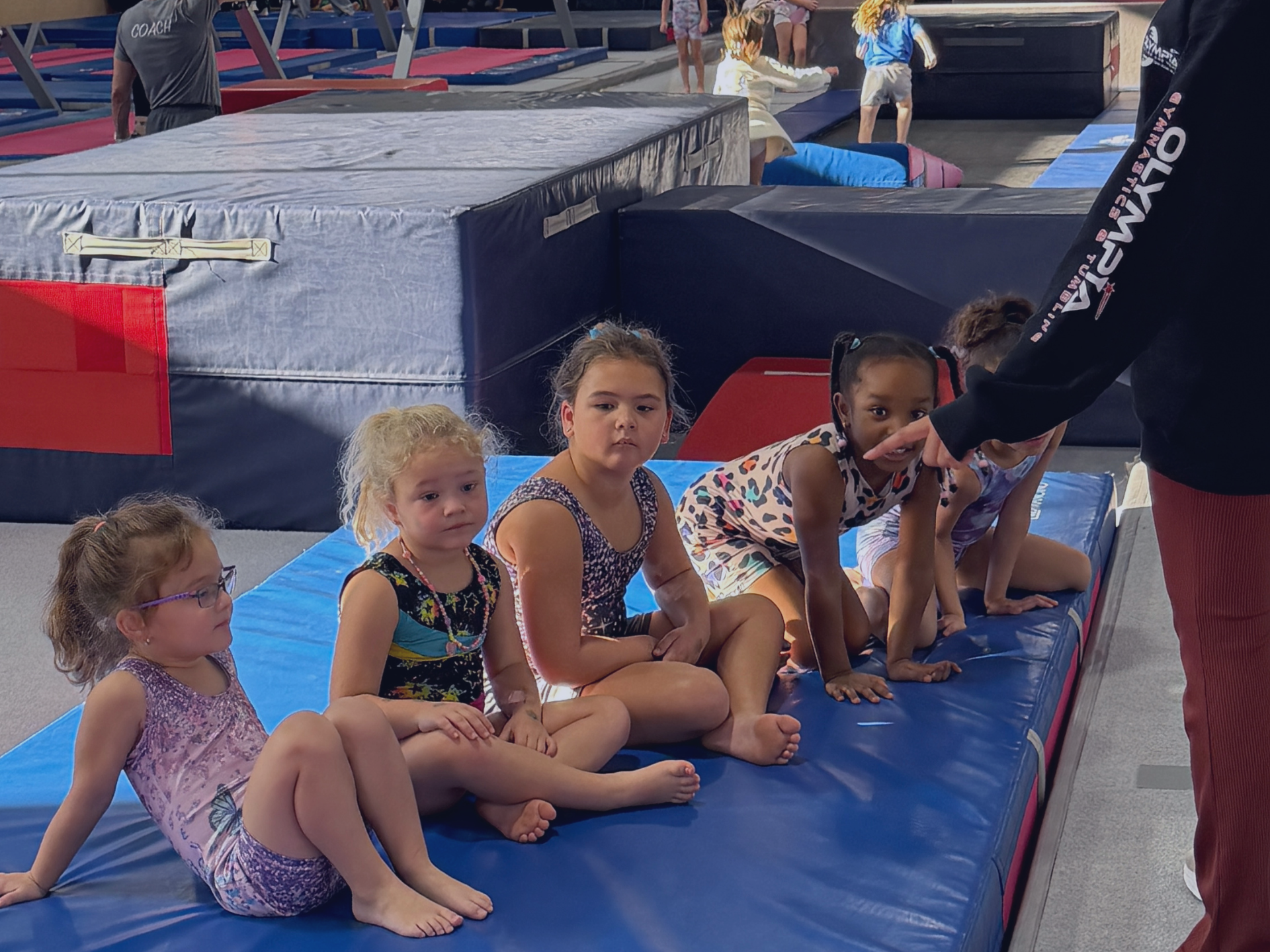
As parents, we constantly seek opportunities that ignite our children's passions, build their confidence, and contribute to their holistic development. Gymnastics, with its unique blend of strength, flexibility, coordination, and discipline, stands out as an exceptional choice. If you're a parent in Missouri City, TX, looking to enroll your child, you might wonder, "When's the best time to start?" While gymnastics is beneficial year-round, there's a compelling argument to be made for spring enrollment.
When's the Best Time to Start Gymnastics? Unpacking the "Why" Behind Spring Enrollment
Deciding when to introduce your child to gymnastics can feel like a puzzle. Do you wait until they're older and more coordinated? Or is there a magical window that maximizes their potential and enjoyment? The truth is, while children can benefit from gymnastics at almost any age, spring offers a unique set of advantages that can truly set your child up for success. It's not just about convenience; it's about developmental timing, program structure, and even the subtle psychological boost of starting fresh with warmer weather. Let's dive into why spring isn't just a good time, but often the best time, to begin this incredible journey.
Why Spring Is the Sweet Spot for Starting Gymnastics Classes Near Me
Think of spring as nature's grand awakening. Flowers bloom, animals emerge, and there's a renewed sense of energy in the air. This natural rhythm often mirrors the optimal timing for new beginnings, and gymnastics is no exception. For families in Missouri City, TX, choosing spring for a gymnastics start offers multifaceted benefits that extend far beyond simply signing up for a class.
The Developmental Advantage of Spring Gymnastics for Growing Kids
Children, especially younger ones, are sponges—constantly absorbing, adapting, and strengthening both their cognitive and physical abilities. Spring, positioned between the colder, more indoor-focused winter months and the less structured pace of summer, creates an ideal environment for meaningful skill development.
Imagine a young child, maybe 3 or 4 years old. During winter, they may spend more time indoors with fewer opportunities to fully engage their developing physical abilities. Spring naturally shifts that rhythm. There’s a renewed desire to move, explore, and be active. Enrolling in gymnastics during this season aligns perfectly with that energy, allowing children to build skills in a way that feels natural rather than forced.
Early spring often marks a period of rapid growth in gross motor skills and physical activity. Children are refining balance, improving coordination, and developing foundational strength at a fast pace. Introducing gymnastics during this stage helps channel that momentum into structured movement that supports healthy development. They aren’t just learning rolls and jumps—they’re strengthening spatial awareness, enhancing proprioception (understanding where their body is in space), and supporting their vestibular system, which plays a key role in balance and body control.
Starting gymnastics in the spring also provides a consistent, uninterrupted window for skill development before summer begins. That continuity matters. Just like learning a new language or musical instrument, regular exposure builds confidence and muscle memory over time. By the time summer arrives, children have already established a strong foundation in their physical abilities, making it easier to transition into camps, open gyms, or higher-level classes—and to return in the fall ready to progress, not start over.
The Program Advantage of Starting Gymnastics During the Spring Season
From a program perspective, spring enrollment often aligns perfectly with the typical gymnastics calendar. Many gyms, including those in Missouri City, structure their programs in seasons or sessions that build progressively.
Consider the typical annual cycle: fall sessions often introduce new concepts, winter refines them, and spring is a critical period for consolidation and preparation for advancement. Enrolling in spring often means joining classes that are either beginning a new progressive session or are at a stage where foundational skills are being reinforced before the summer push.
This means your child won't be playing catch-up as much as if they started mid-fall or deep into a winter session. Instructors are often focusing on solidifying techniques that will be essential for the next level. For a newcomer, this provides an excellent entry point where they can learn alongside peers who are also working on mastering core competencies. They get to experience the full arc of a session, understanding the progression from simpler drills to more complex movements.
Furthermore, many gyms assess readiness for advancement in late spring or early summer. By starting in spring, your child has a solid few months to demonstrate their commitment, learn the required skills, and catch the eye of coaches who are evaluating students for higher-level or competitive tracks. This strategic timing can be instrumental in securing a spot in more advanced programs come fall. It’s like getting a head start on an important project – you build momentum and can showcase your capabilities when it truly matters.
The Practical Advantage: Why Spring Makes Gymnastics Classes Easier to Commit To
Let’s be honest, life with kids is busy. Scheduling can be a logistical nightmare. Spring, however, often presents a more manageable window for adding a new activity.
Winter often brings a flurry of holiday commitments, colder weather that makes evening outings less appealing, and the ever-present threat of seasonal illnesses. Summer, while wonderful, can be unpredictable with vacations, camps, and less structured routines.
Spring, by contrast, offers a sweet spot. The weather in Missouri City, TX, is typically pleasant, making travel to and from the gym more comfortable. The initial rush of school year activities has usually settled, but the summer vacation frenzy hasn’t quite begun. This creates a window of relative stability where families can more easily integrate a consistent weekly commitment like gymnastics.
Think about it: fewer holiday disruptions, generally healthier kids (less flu season), and a more predictable daily schedule. This stability is key to consistent attendance, which, in turn, is vital for skill development and building confidence. When parents can commit more easily, kids sense that commitment and are more likely to thrive in their new endeavor. It reduces the stress of juggling, making the entire experience more enjoyable for both child and parent. It allows for a smoother transition into a new routine, setting the stage for long-term participation.
Beyond Spring: Age-Appropriate Entry Points for Gymnastics Classes Near Me
While spring offers unique advantages, the world of gymnastics is wonderfully inclusive, with programs designed for nearly every age. Understanding these age-specific entry points can help you tailor your child's journey, ensuring they start at a level that's developmentally appropriate and incredibly fun.
Gymnastics Classes for Toddlers (18 Months to 3 Years)
Yes, you read that right! Gymnastics for toddlers isn't about perfecting back handsprings; it's about foundational movement, exploration, and parent-child bonding. These classes are often called "parent-and-me" or "toddler exploration" programs.
At this age, the focus is on developing basic motor skills through play. Imagine colorful mats, soft obstacles, mini trampolines, and low balance beams. Toddlers learn to roll, crawl, climb, balance, and jump in a safe, supervised environment. It’s less about formal instruction and more about guided discovery. Parents are actively involved, helping their little ones navigate the equipment, encouraging movement, and celebrating every small achievement.
The benefits are immense: improved coordination, balance, strength, and spatial awareness. Crucially, it also fosters social development as toddlers interact with other children and adults, and it builds a strong sense of confidence as they master new physical challenges. For many children, these classes are their very first structured group activity, laying the groundwork for future learning experiences.
Preschool Gymnastics: Ages 3 to 5 Years
As children transition from toddlers to preschoolers, their independence and cognitive abilities blossom. Preschool gymnastics classes reflect this growth, moving towards more structured activities while maintaining a strong emphasis on play.
At 3 to 5 years old, children are typically ready for classes where they can participate more independently, though parent involvement might still be an option or encouraged during certain activities. Coaches introduce fundamental gymnastics skills like forward rolls, backward rolls, donkey kicks (a precursor to handstands), basic jumps, and balancing on low beams. They learn to follow directions, take turns, and interact positively with peers and coaches.
These classes are crucial for developing body awareness, strength, flexibility, and coordination in a fun and engaging way. They also help build vital non-physical skills such as listening, problem-solving, perseverance, and self-esteem. The focus remains on general athletic development and creating a positive, encouraging environment where children feel safe to try new things and push their boundaries. It’s the perfect bridge between playful exploration and more disciplined athletic training.
School-Age Gymnastics: Ages 6 and Up
For children aged 6 and above, gymnastics classes begin to take on a more structured and skill-focused approach. While fun and safety remain paramount, there's a greater emphasis on learning specific gymnastics techniques and progressions.
At this age, children possess improved strength, coordination, attention spans, and an increased capacity to understand and execute multi-step instructions. They'll typically start with foundational skills on all Olympic apparatus (vault, bars, beam, floor for girls; floor, pommel horse, rings, vault, parallel bars, high bar for boys), depending on the program's focus.
Coaches break down complex skills into manageable steps, focusing on proper form and technique. Children will work on developing strength, flexibility, and agility that are fundamental to gymnastics. Beyond the physical, school-age gymnastics instills incredible discipline, focus, resilience, and goal-setting abilities. They learn the importance of practice, patience, and overcoming challenges. Many children at this age find a strong sense of community and camaraderie within their gymnastics group, forming lasting friendships and developing teamwork skills. For some, this is the entry point to recreational gymnastics, while for others, it's the first step on a potential path to competitive gymnastics.
Making the Most of Your Child's Gymnastics Journey
Enrolling your child in gymnastics is an investment in their physical and personal growth. By strategically choosing spring as the starting point, you're not just signing them up for a class; you're orchestrating a sequence of events designed to maximize their learning, confidence, and enjoyment.
How Spring Enrollment Helps Kids Build Skills Before Summer and Advance Confidently
Imagine your child starting gymnastics in March or April. They step into a few months of consistent training within a supportive environment designed to help them feel comfortable, encouraged, and confident from day one. During this time, they’re not only learning foundational movements—rolls, balances, basic swings—but also becoming familiar with the gym, their coaches, and their classmates. That consistency, paired with a supportive environment, plays a huge role in early success.
By the time summer arrives, they’re no longer brand new to the sport. They’ve built a solid foundation, understand the rhythm of class, and know what to expect each week. In a supportive environment where progress is paced appropriately, they’ve likely mastered several entry-level skills and developed trust in their coaches. So even if summer brings interruptions like vacations or camps, they aren’t starting from scratch when they return in the fall. The skills are there—maybe a little rusty—but the muscle memory, confidence, and familiarity remain.
This pre-summer skill-building phase is especially important for confidence. A child who has had a few months to grow within a supportive environment feels capable and prepared, not overwhelmed. Instead of facing fall classes feeling behind, they return ready to build on what they already know. That early sense of accomplishment creates motivation, resilience, and a positive mindset that carries them through brief breaks and into the next stage of their gymnastics journey.
Setting Kids Up for a Confident Move Into Higher-Level Classes by Fall
This leads directly into one of the biggest strategic advantages of spring enrollment: preparing for advancement while supporting your child’s progress through consistent practice and hard work. Most gymnastics programs are intentionally structured around skill progression, with fall often serving as the time when new sessions begin and athletes are evaluated for placement into higher-level classes.
A child who starts in the spring enters this process with a clear advantage. They’ve had a dedicated window to learn, practice, and solidify prerequisite skills, allowing their child’s progress to develop steadily through repetition, focus, and hard work rather than feeling rushed. Coaches have ample time to observe progress, work ethic, effort, and readiness. When evaluations take place in late summer or early fall, these children are often better positioned for advancement because their skills have been built over months of consistent training and hard work.
Think of it like laying a strong foundation before adding the next story to a house. Without that foundation—those spring months of focused training and hard work—moving into a higher-level class in the fall can feel unstable or overwhelming. With it, the transition feels natural, earned, and exciting.
That confident move into higher-level classes becomes a powerful motivator. It shows children that their hard work pays off and that progress is earned through dedication and consistency. This reinforces commitment, builds confidence, and often deepens their connection to the sport—creating positive momentum that supports long-term participation and genuine enjoyment of gymnastics.
Ready to Get Started at Olympia Gymnastics & Tumbling?
If you're in Missouri City, TX, and this discussion has sparked your interest, we invite you to explore the programs at Olympia Gymnastics & Tumbling. We understand the developmental nuances of every age and the unique advantages of starting your child’s gymnastics journey in the spring.
Our experienced coaches are passionate about fostering not just athletic ability, but also confidence, discipline, and a lifelong love for movement. We offer a range of age-appropriate classes, from our engaging toddler programs to our skill-building school-age sessions, all designed to ensure a positive and enriching experience for your child.
Don't let this optimal window pass by. Give your child the gift of a strong start in gymnastics this spring. Visit our website or call us today to learn more about our schedules, classes, and how you can enroll your child at Olympia Gymnastics & Tumbling. We're excited to welcome your family into our community and help your child discover the joy and benefits of gymnastics.
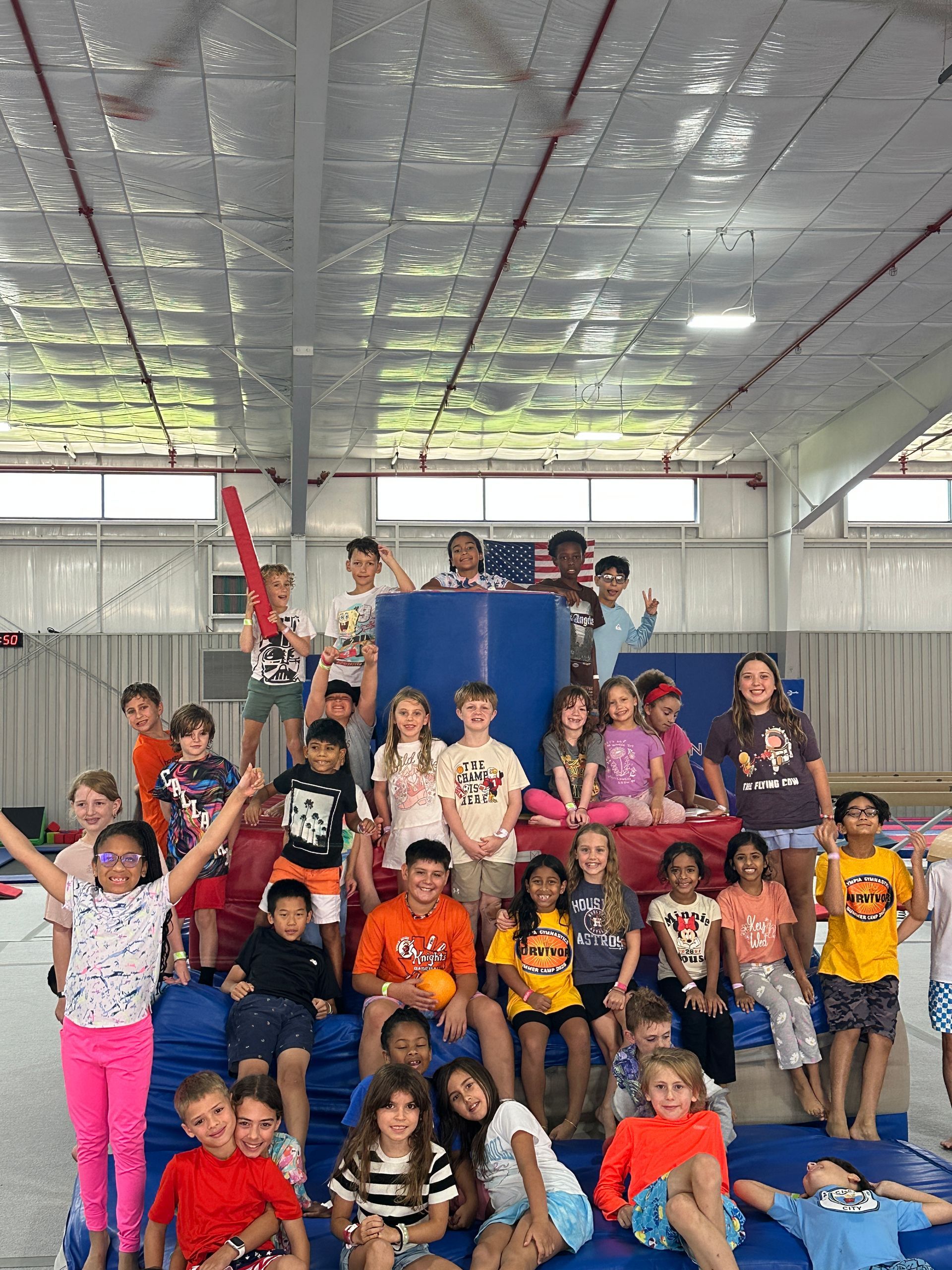
Looking for a kids birthday party in Missouri City, TX? Celebrate at Olympia Gymnastics with an active, fun-filled gymnastics party kids will love.

Is your child ready for competitive gymnastics in Houston? Learn about training, benefits, readiness signs, and what parents should know before joining a team.
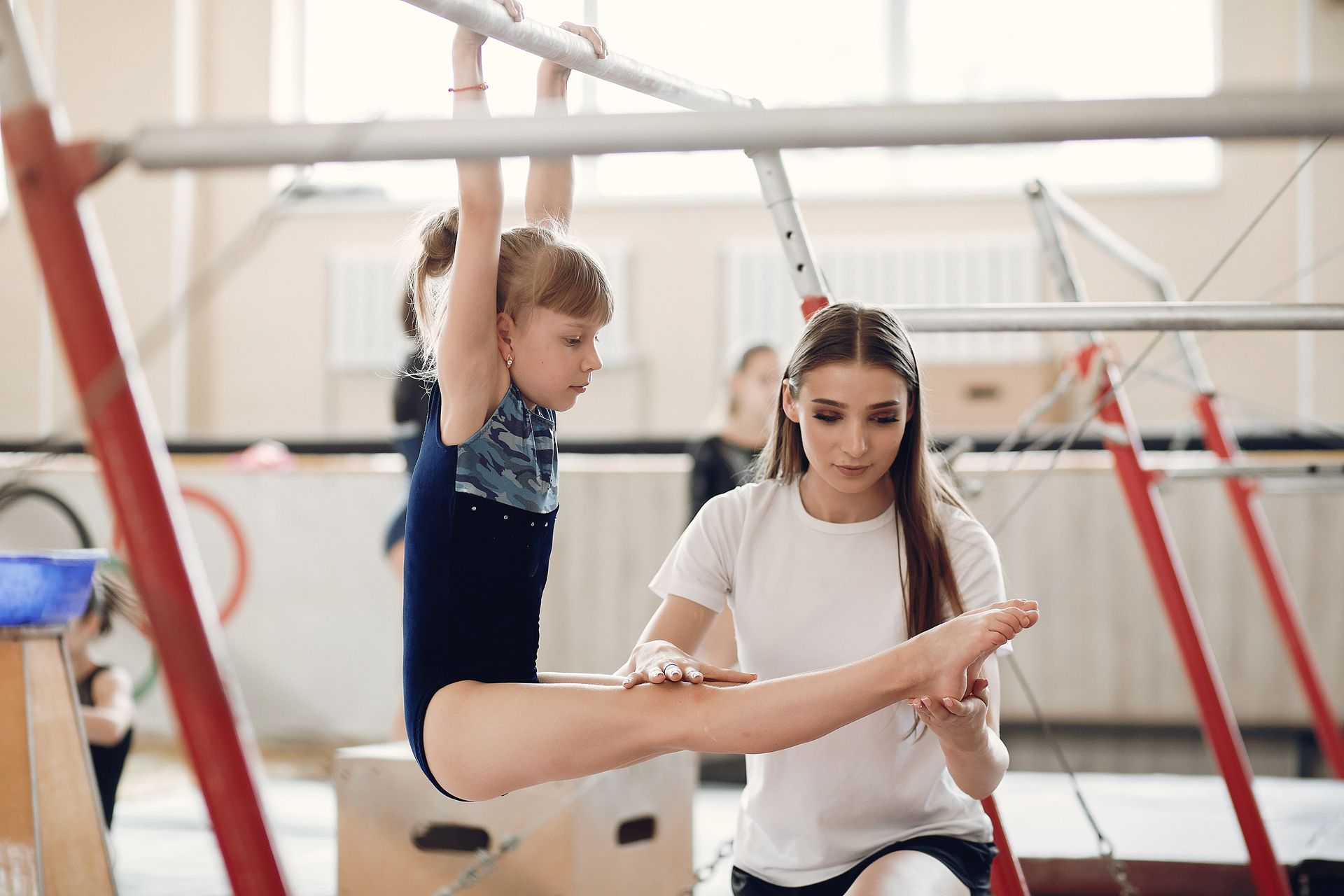
Learn how to help prevent common gymnastics injuries in kids with tips for warm-ups, conditioning, skill progression, recovery, proper coaching, and more.
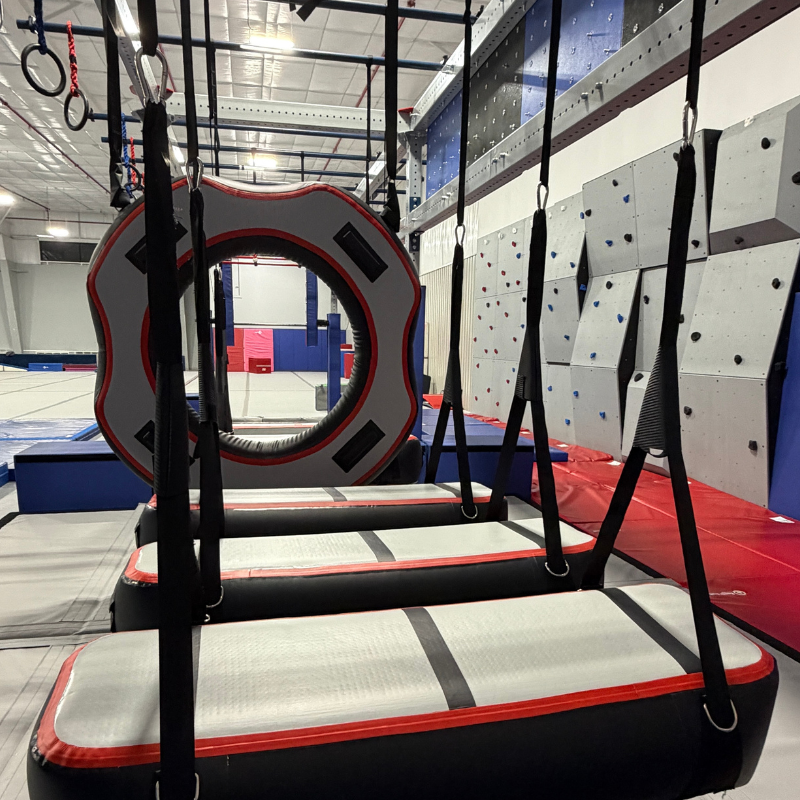
Help your son build strength, confidence, and coordination with Olympia's Warrior Program. Explore boys gymnastics classes in Missouri City, TX today.

Explore preschool gymnastics classes in Missouri City, TX for ages 3–5. Olympia helps young children build balance, confidence, and coordination.
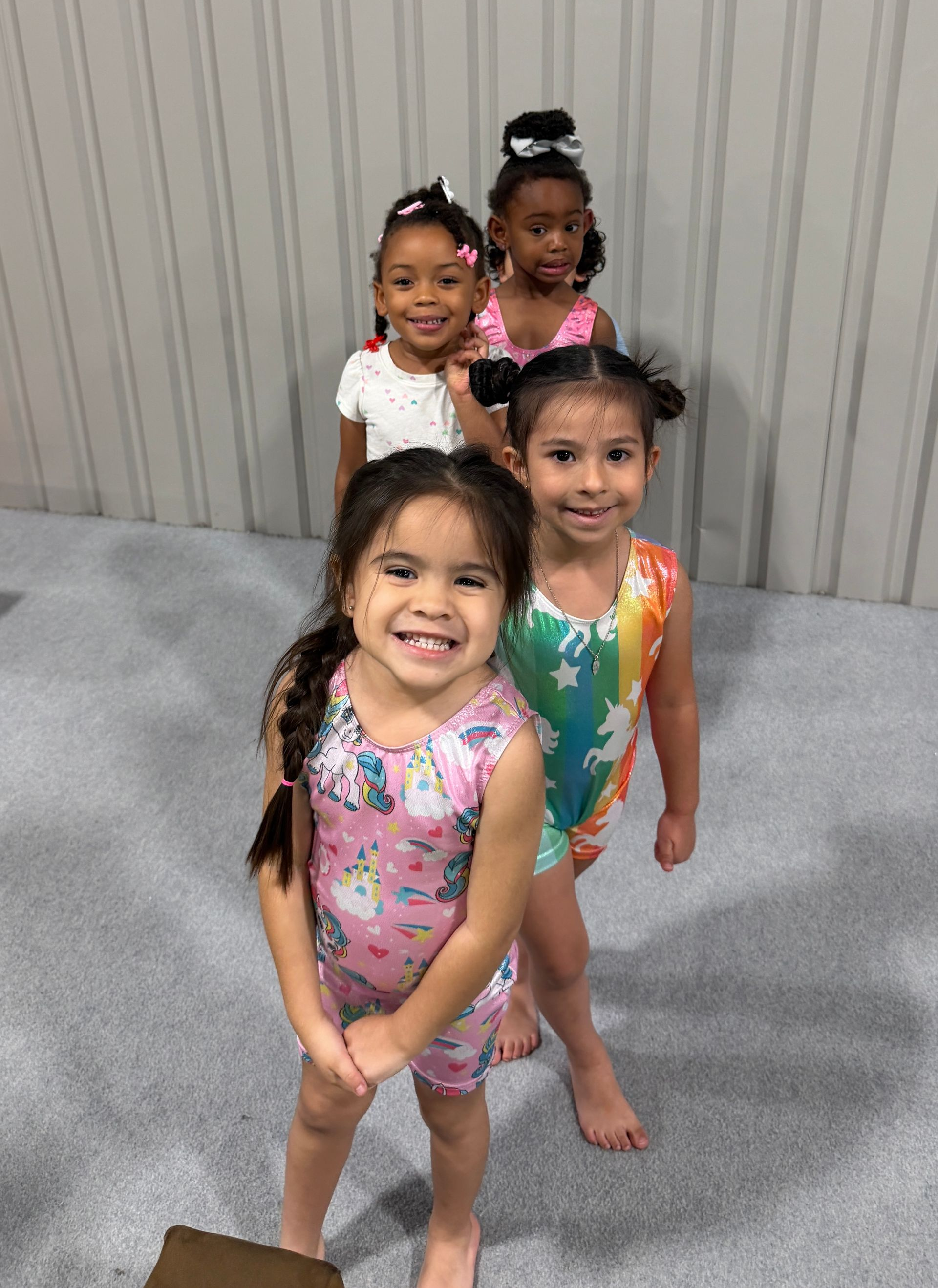
Build strength, confidence, and agility with children’s ninja classes in Missouri City, TX at Olympia Gymnastics and Tumbling. Contact us today!
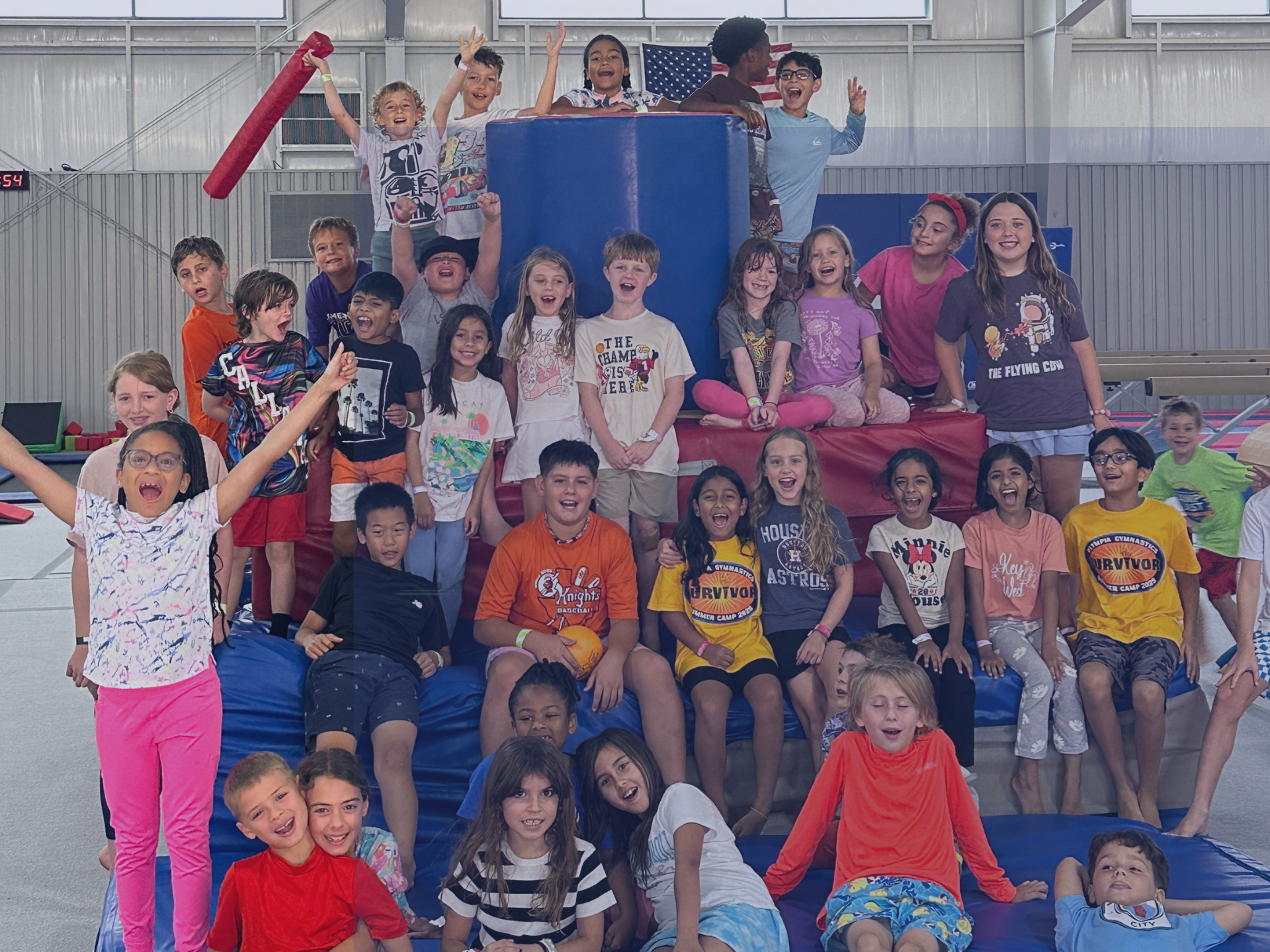
Houston summer gymnastics camps 2026: keep kids active, build confidence, and have fun. See Olympia’s camp experience, schedules, pricing, and how to register.
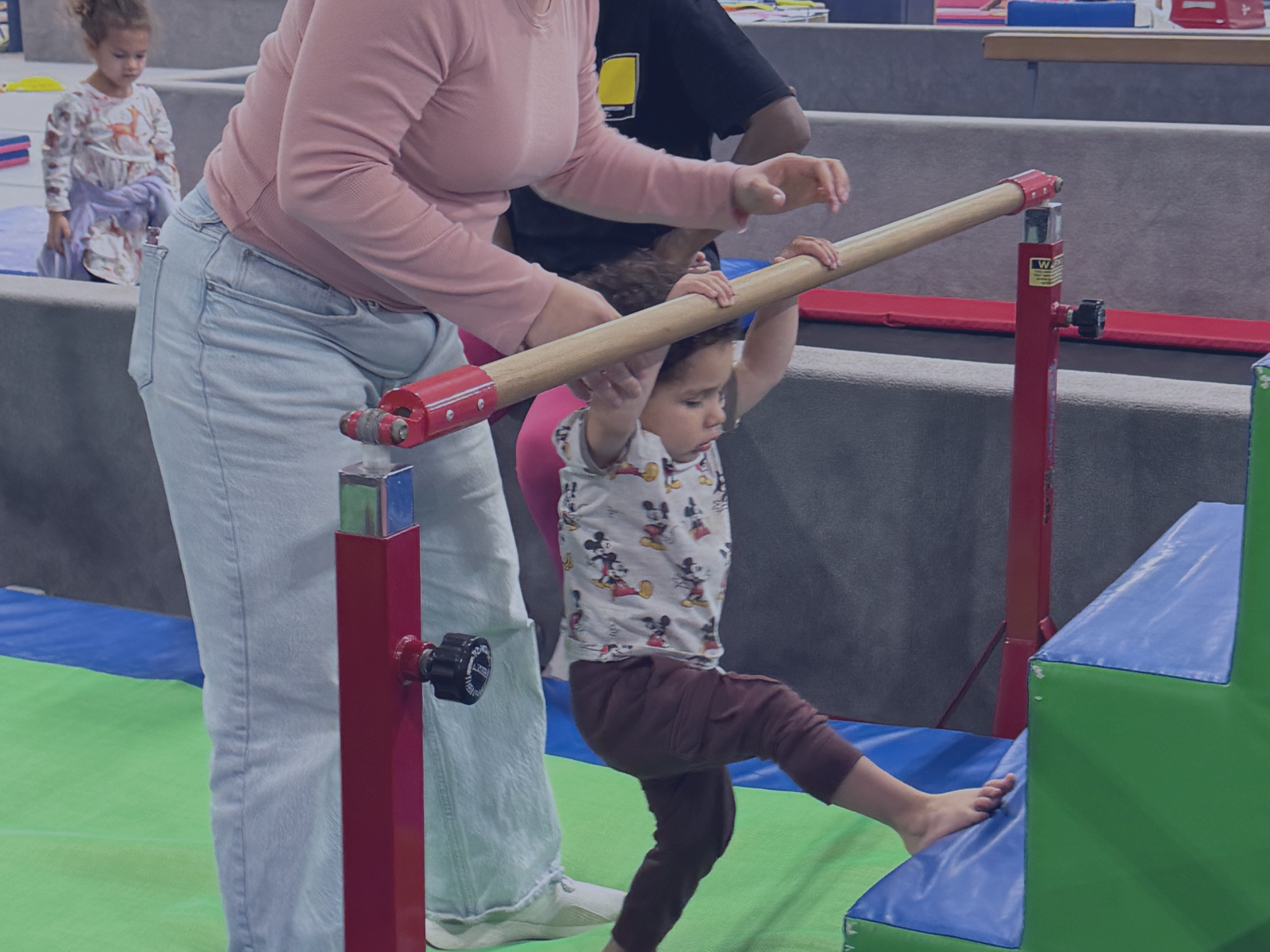
Discover the benefits of parent-tot gymnastics in Houston, TX. Learn how these classes support your child’s development and what to look for in the right program.
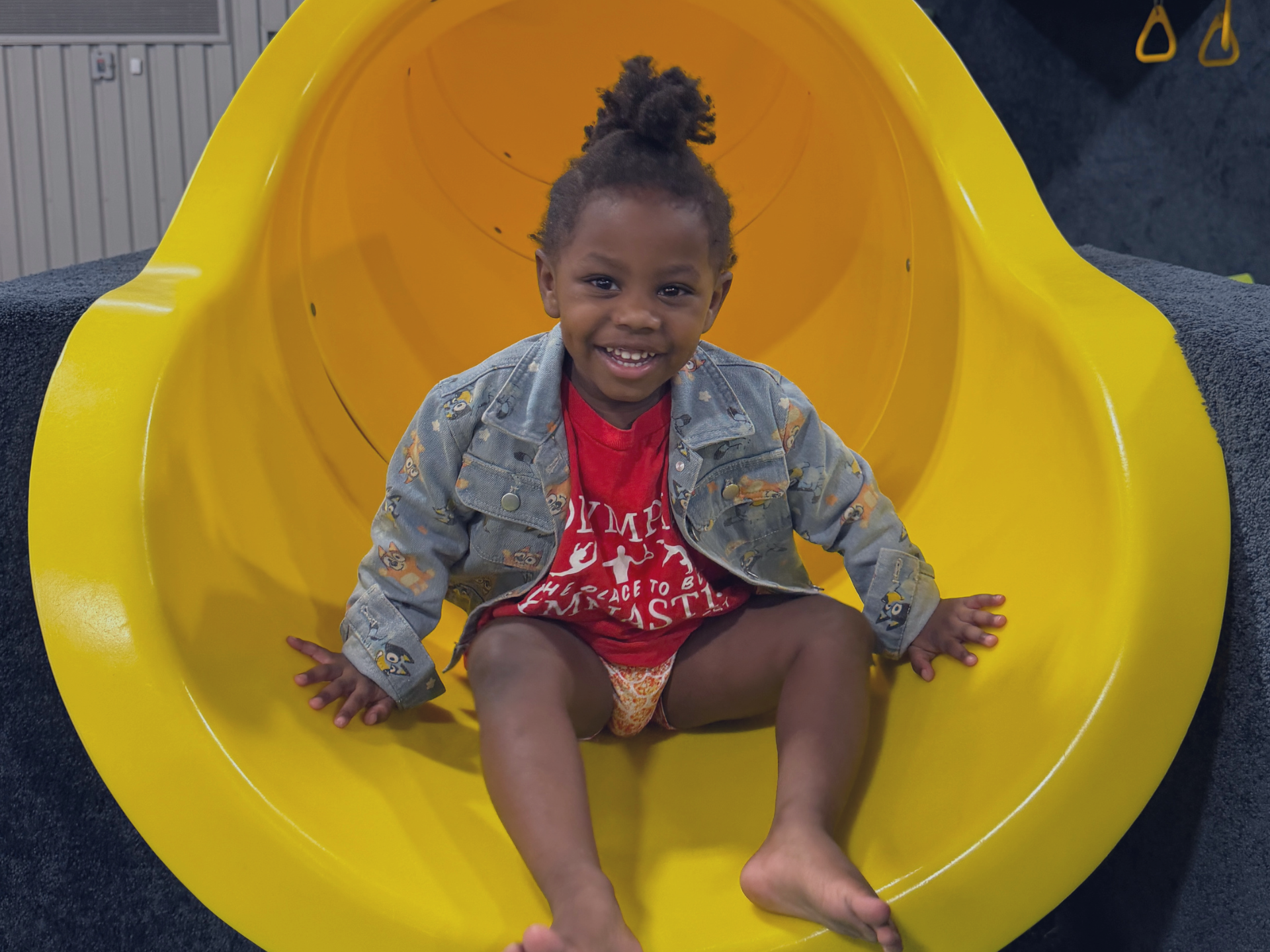
Looking for homeschool gymnastics near you? Learn the benefits and why families choose Olympia Gymnastics & Tumbling.
Beginner cheerleading classes for kids in Missouri City, TX—what to expect, what to look for, and why Olympia Gymnastics is a top choice.