Blogs
7 Proven Ways to Prevent Gymnastics Injuries in Kids
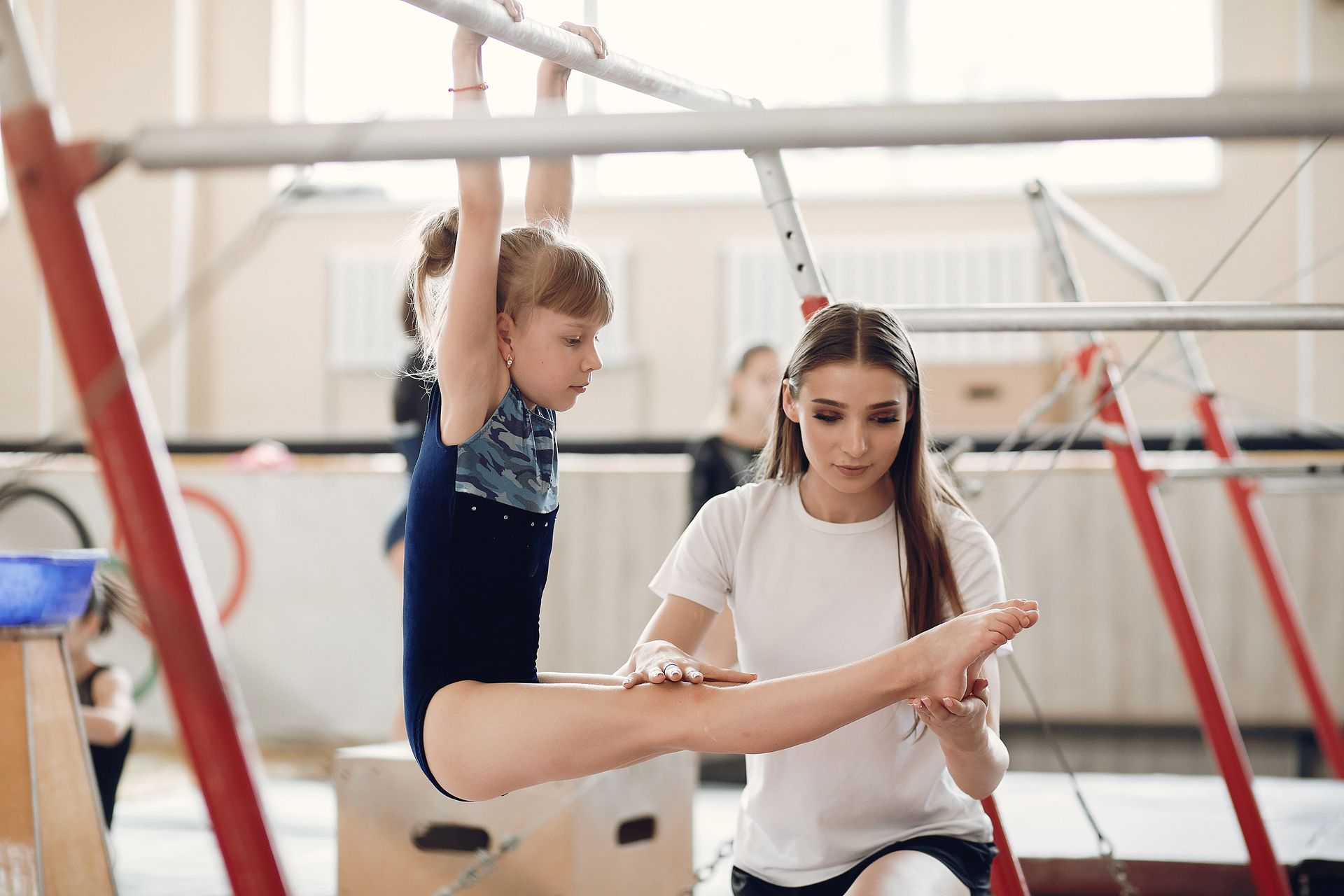
Gymnastics helps kids build strength, flexibility, coordination, balance, and confidence. Like any physical activity, however, gymnastics also comes with a risk of injury—especially as young athletes begin practicing more challenging skills.
The good news is that many common gymnastics injuries can be reduced with proper preparation, age-appropriate instruction, safe equipment, and enough time for rest and recovery.
Whether your child is just starting gymnastics or progressing into more advanced skills, understanding how to prevent gymnastics injuries can help them stay safe, build a strong foundation, and enjoy the sport for years to come.
Why Injury Prevention Is Important for Young Gymnasts
Young gymnasts are still growing and developing, which makes proper training especially important. Gymnastics involves repetitive movements, weight-bearing through the hands and wrists, jumping, tumbling, and repeated landings that place stress on different areas of the body.
As children learn new gymnastics skills, they also need time to develop the strength, flexibility, coordination, and body awareness necessary to perform those movements safely.
Injury prevention isn't about keeping kids from challenging themselves. Instead, it's about giving them the foundation they need to progress at an appropriate pace while reducing unnecessary risks.
Common Gymnastics Injuries in Kids
Gymnastics injuries can happen suddenly, such as during an awkward landing, or develop gradually from repetitive movements and overuse. Some of the areas most commonly affected include the wrists, ankles, knees, feet, and back.
Sprains and Strains
Sprains affect ligaments around a joint, while strains involve muscles or tendons. In gymnastics, these injuries may occur after an awkward landing, sudden movement, or overstretching.
Proper warm-ups, conditioning, technique, and gradual skill progression can all play a role in reducing the risk of sprains and strains.
Wrist and Ankle Injuries
Gymnastics places unique demands on both the upper and lower body. Wrists support body weight during skills such as handstands and cartwheels, while the ankles repeatedly absorb force during jumps, tumbling passes, and landings.
Teaching proper technique and giving young athletes enough time to build strength and stability can help prepare these joints for the demands of gymnastics.
Overuse Injuries
Not every gymnastics injury happens during a fall. Repeating the same movements over time without adequate recovery can contribute to overuse injuries.
Young athletes may experience persistent discomfort in areas such as the wrists, knees, heels, or back. This is one reason rest and communication between gymnasts, parents, and coaches are such important parts of injury prevention.
Falls and Impact Injuries
Falls can happen while learning skills on the floor, beam, bars, vault, or other gymnastics equipment. Proper matting, supervision, spotting, and skill progression help create a safer environment for athletes as they learn.
How to Prevent Gymnastics Injuries in Kids
There isn't one single way to prevent every injury. Instead, gymnastics safety comes from combining proper preparation, good technique, appropriate coaching, safe equipment, and healthy recovery habits.
Here are seven ways parents, coaches, and young gymnasts can help reduce the risk of injury.
1. Start Every Practice With a Proper Warm-Up
Young gymnasts shouldn't go straight from sitting in the car to tumbling across the floor.
A proper gymnastics warm-up gradually prepares the body for physical activity by increasing blood flow and getting muscles and joints ready to move. Depending on the class and skill level, a warm-up may include light cardio, dynamic stretching, mobility exercises, and gymnastics-specific movements.
Examples may include:
- Jogging or skipping
- Arm circles
- Leg swings
- Lunges
- High knees
- Wrist and ankle mobility exercises
- Light bodyweight movements
Warm-ups should be appropriate for the child's age and the activities they'll be performing during practice.
2. Build Strength, Flexibility, and Conditioning
Gymnastics requires much more than flexibility. Young athletes also need strength and stability to control their bodies through skills and landings.
Core strength is particularly important because the muscles surrounding the abdomen, hips, pelvis, and back help stabilize the body during many gymnastics movements. Upper-body and lower-body strength also help gymnasts support their weight, maintain proper positions, and control landings.
A well-rounded gymnastics program should gradually develop:
- Core strength and stability
- Upper-body strength
- Lower-body strength
- Balance and coordination
- Flexibility and mobility
- Overall endurance
The goal isn't simply to become stronger or more flexible. It's to develop the physical foundation needed to perform gymnastics skills with greater control.
3. Master Basic Gymnastics Skills Before Progressing
One of the most important ways to prevent gymnastics injuries is also one of the simplest: don't rush skill progression.
Advanced gymnastics skills are built on fundamentals. Before moving on to a more difficult skill, a gymnast should demonstrate the strength, technique, body awareness, and control needed for the skills that come before it.
For beginners, that means spending time developing foundational gymnastics skills such as rolls, handstands, bridges, jumps, body positions, and basic landing techniques.
Those basics might not look as exciting as a back handspring, but they're what make more advanced gymnastics possible.
Structured progression also allows coaches to identify areas where an athlete may need additional practice before attempting a more difficult movement.
4. Practice Proper Landing Technique
Landings are a major part of gymnastics. Whether a child is jumping off a low apparatus or completing a tumbling skill, learning how to land with control is essential.
Proper landing technique helps gymnasts manage the forces placed on the ankles, knees, hips, and rest of the body. Young gymnasts should learn to focus on balance, body position, and control rather than simply completing the skill. Coaches may also use drills, mats, and progressions to help athletes practice landing mechanics before applying them to more advanced movements.
Developing good landing habits early can carry over as children progress to more difficult gymnastics skills.
5. Practice New Skills With Qualified Coaches and Proper Equipment
Trying a new gymnastics skill isn't the time for improvisation.
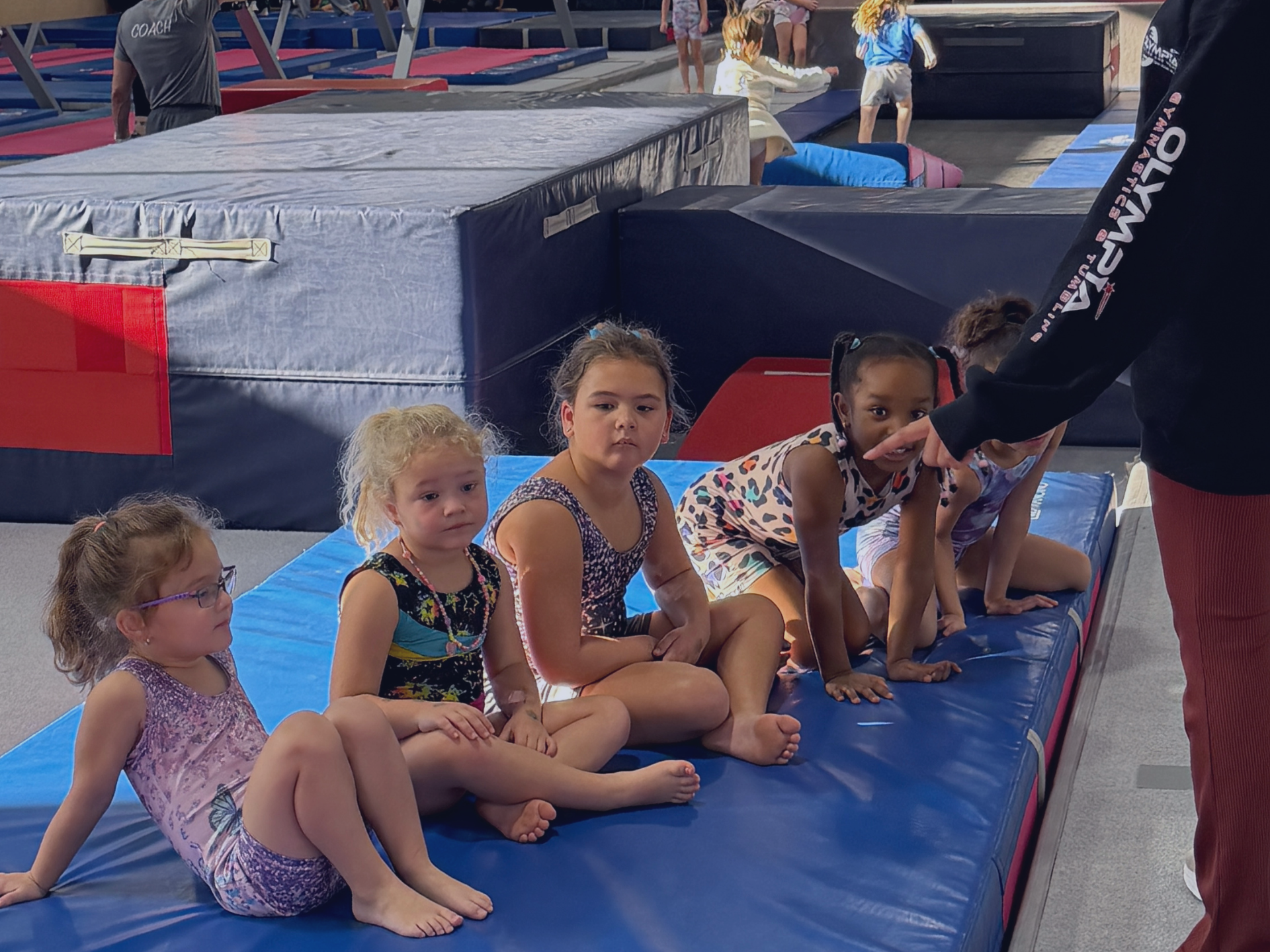
Young athletes should learn new skills under the supervision of qualified coaches who can determine when they're physically and technically ready to progress.
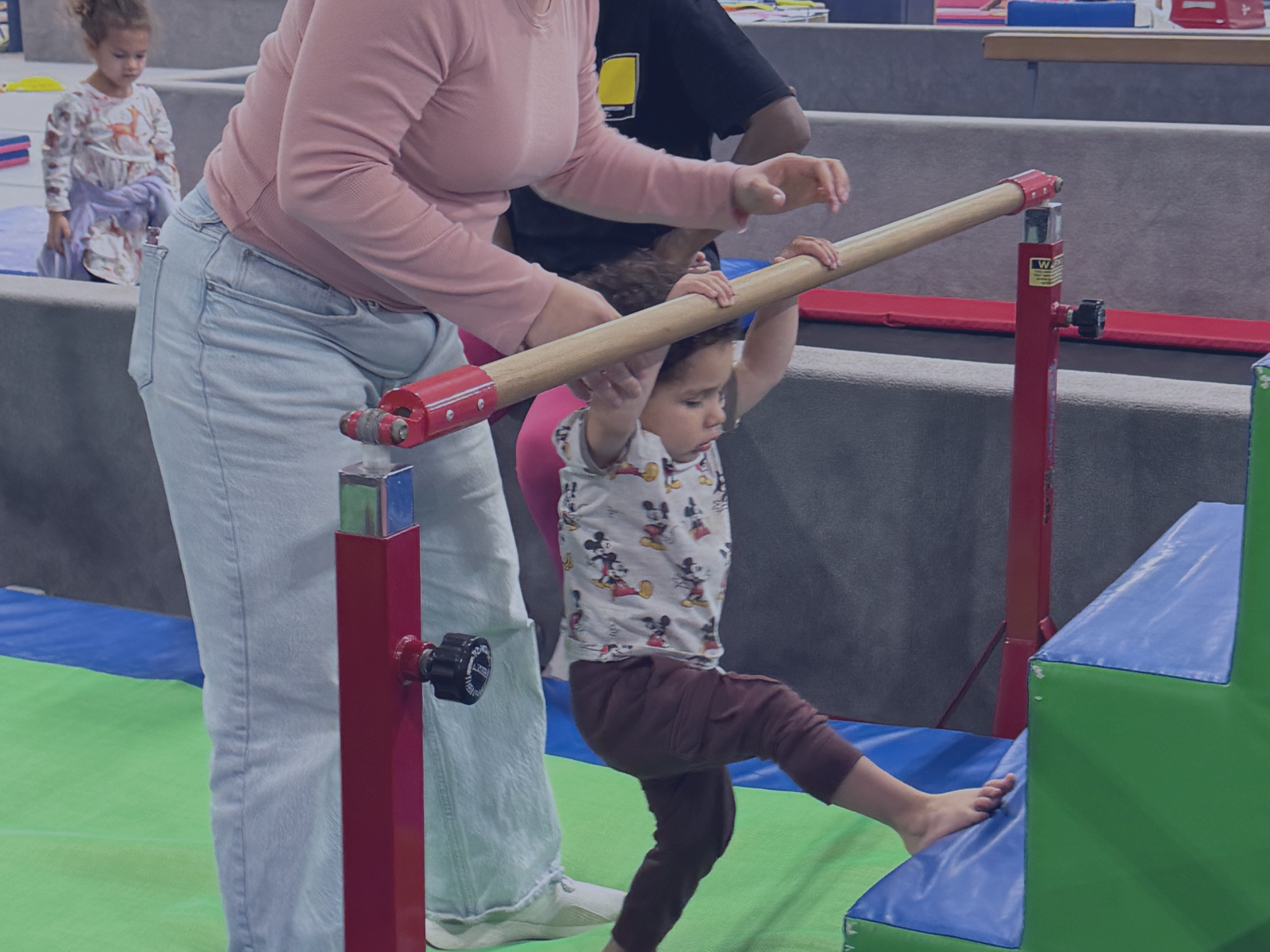
Coaches may use spotting, drills, progressions, and appropriate matting to help athletes learn movements safely before performing them independently.
Gymnastics equipment should also be properly maintained and appropriate for the activity being performed. Mats and other safety equipment help reduce impact and provide additional protection during training.
Children should avoid attempting gymnastics skills they haven't been taught—especially at home, on trampolines, or in environments that aren't designed for gymnastics training.
6. Encourage Kids to Speak Up About Pain
Young athletes sometimes want to keep practicing even when something hurts. They may be excited about learning a new skill, worried about missing practice, or simply unsure whether the discomfort they're feeling is normal. That's why kids should know that speaking up about pain is part of being a responsible athlete.
Parents and coaches should pay attention to complaints of persistent or worsening pain, swelling, limited movement, or pain that affects normal activities.
Trying to push through an injury can make the problem worse. When there is concern about an injury, stop the activity and seek guidance from an appropriate healthcare professional.
Creating an environment where children feel comfortable communicating also helps coaches adjust training when necessary.
7. Make Rest, Hydration, and Nutrition Part of Training
Gymnastics training doesn't end when a child leaves the gym. Recovery between practices matters too. Rest gives growing bodies time to recover from physical activity. Adequate sleep is also important for children's overall health, concentration, and physical performance.
Hydration matters before, during, and after activity, particularly during longer or more physically demanding practices. Young athletes also need enough food and nutrients to support both growth and activity. A balanced diet can help provide the carbohydrates, protein, fats, vitamins, and minerals their bodies need. Parents don't need to turn every meal into a sports nutrition spreadsheet. Consistent healthy habits are what matter most.
How Parents Can Help Prevent Gymnastics Injuries
Parents play an important role in creating healthy training habits outside the gym. Encourage your child to communicate openly about pain, soreness, fatigue, or anything that doesn't feel right. Make sure they have time to rest between activities, and avoid pressuring them to perform skills before they're ready.
It is also important to choose gymnastics classes based on your child's age, experience, and current skill level rather than where you think they should be. Progress may look different from one gymnast to another. Giving children the opportunity to build skills at their own pace can help them develop confidence alongside their physical abilities.
What to Look for in a Safe Gymnastics Program
Choosing the right gymnastics program is another important part of keeping your child safe. When comparing gymnastics gyms and classes, parents should look for an environment that emphasizes proper instruction and gradual skill development rather than rushing children into advanced movements.
Important factors include:
- Experienced, qualified gymnastics coaches
- Age- and skill-appropriate classes
- Proper supervision during practice
- Well-maintained gymnastics equipment
- Appropriate mats and safety equipment
- Structured skill progressions
- Proper spotting when needed
- A positive environment where children can communicate with coaches
A strong gymnastics program should help athletes become more confident as their abilities grow—not pressure them to perform skills before they're prepared.
Help Your Child Learn Gymnastics Safely at Olympia
At Olympia Gymnastics in Missouri City, TX, children can develop strength, flexibility, coordination, and gymnastics skills through structured instruction designed around their age and ability level.
From young beginners learning foundational movements to gymnasts building toward more advanced skills, proper technique and gradual progression help create the foundation for long-term development.
If your child is interested in gymnastics, finding the right class is a great place to start. Explore Olympia Gymnastics classes in Missouri City to find a program that fits your child's age and experience level.