Blogs
Is Competitive Gymnastics Right for Your Child? What Parents Should Know

Watching your child fall in love with gymnastics can be exciting. Maybe they can't stop practicing handstands at home, look forward to every class, or have started mastering skills faster than you expected. At some point, you may begin wondering: Is competitive gymnastics the right next step?
Competitive gymnastics can give young athletes an opportunity to challenge themselves, develop advanced skills, build confidence, and become part of a team. But it also requires a greater commitment than recreational gymnastics—from both the gymnast and their family.
Before making the transition, it helps to understand what competitive gymnastics involves, how it differs from recreational classes, and the signs that your child may be ready.
What Is Competitive Gymnastics?
Competitive gymnastics is a more structured form of gymnastics training in which athletes develop routines and skills to perform at organized competitions.
While recreational gymnastics focuses primarily on learning skills, staying active, and having fun, competitive gymnasts typically train more frequently and work toward specific skill requirements and routines.
Depending on their level and program, gymnasts may compete in events such as:
- Vault
- Uneven bars
- Balance beam
- Floor exercise
Competitive gymnastics also introduces athletes to goal setting, teamwork, performance preparation, and the experience of competing in front of judges and spectators.
For some kids, that added challenge is exactly what makes gymnastics even more exciting.
Recreational vs. Competitive Gymnastics: What's the Difference?
Both recreational and competitive gymnastics can help children build strength, flexibility, coordination, and confidence. The biggest difference is the level of commitment and structure involved.
Recreational gymnastics generally allows children to learn and progress through gymnastics skills without preparing for competitions. Classes may meet fewer hours per week and often provide more flexibility for children participating in other activities.
Competitive gymnastics typically involves:
- More training hours each week
- More advanced skill development
- Structured routines
- Regular attendance expectations
- Gymnastics meets and competitions
- Greater focus on technique and consistency
- A longer-term commitment to the sport
Neither option is inherently better.
A child who loves recreational gymnastics doesn't necessarily need to compete, and a child interested in competition shouldn't be pushed into it before they're ready. The right path depends on your child's interests, abilities, personality, and goals.
Signs Your Child May Be Ready for Competitive Gymnastics
There isn't one specific age or skill that automatically means a gymnast should move to a competitive program. Coaches typically consider several factors when determining whether an athlete is ready.
Parents can also watch for a few signs at home.
1. They Genuinely Love Gymnastics
This is arguably the most important one.
Competitive gymnastics requires significantly more time and effort than taking a weekly recreational class. Your child should be the one showing enthusiasm for gymnastics—not simply participating because a parent wants them to compete.
Maybe gymnastics is the activity they talk about constantly. They might ask when their next practice is, proudly show you new skills, or be eager to learn what's next.
That genuine interest can make the increased commitment much more rewarding.
2. They're Motivated to Learn New Skills
Competitive gymnasts spend a lot of time practicing.
And not every practice involves learning an exciting new trick. Athletes repeatedly work on fundamentals, body positions, strength, flexibility, routines, and small technical corrections.
A child who enjoys the process of improving—not just mastering the final skill—may be well suited for competitive gymnastics.
3. They're Comfortable Receiving Coaching and Feedback
Learning gymnastics involves plenty of corrections.
A coach might ask an athlete to repeat the same movement several times while adjusting something as small as their hand placement, body position, or landing.
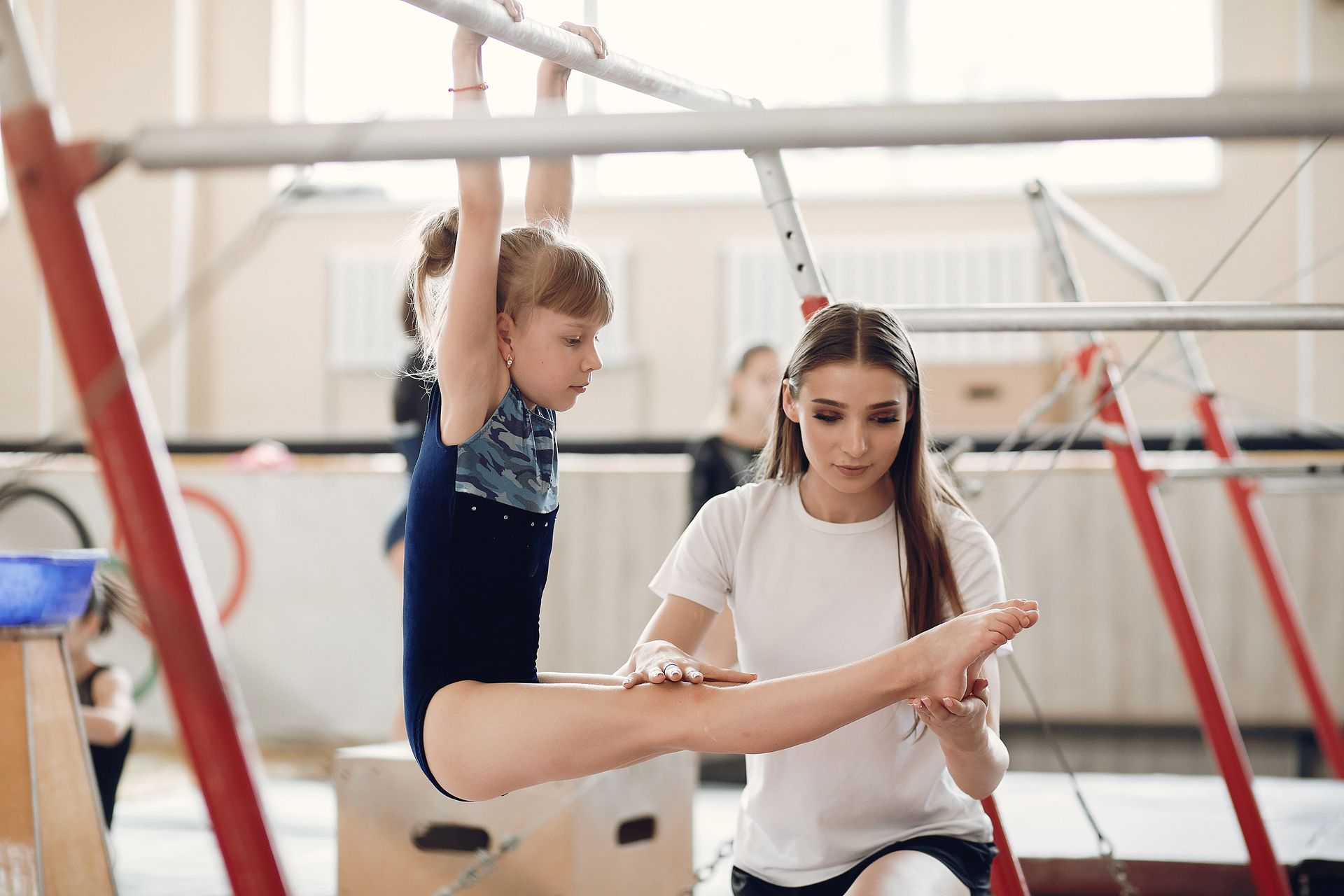
Competitive gymnasts need to gradually learn how to listen to coaching, apply feedback, and continue working even when a skill doesn't come easily.
That doesn't mean your child has to handle every correction perfectly. They're kids. But being willing to learn and try again is important.
4. They Have a Strong Foundation of Gymnastics Skills
Competitive gymnastics isn't about rushing children into advanced skills.
Before progressing, young gymnasts need a solid foundation of strength, flexibility, balance, coordination, body awareness, and basic gymnastics technique.
The exact skills required will depend on the competitive program and level.
This is also why a coach's recommendation matters. An experienced gymnastics coach can evaluate your child's skills and determine whether they're physically and technically prepared for the next stage of training.
5. They're Excited About Being Part of a Team
Although gymnasts perform individual routines, competitive gymnastics also has a strong team component.
Athletes train alongside teammates, encourage one another, celebrate accomplishments together, and represent their gym at competitions.
For children who enjoy being part of a team while still having individual goals to work toward, competitive gymnastics can offer a nice balance between the two.
How Much of a Commitment Is Competitive Gymnastics?
This is where parents need to look beyond whether their child is talented.
Competitive gymnastics can be a substantial commitment for the entire family.
As gymnasts progress, they may practice multiple days each week and spend more hours in the gym than recreational athletes. Families also need to account for competition schedules, transportation, meet weekends, and other team obligations.
Before committing, consider how competitive gymnastics will fit alongside:
- School and homework
- Family schedules
- Other sports and extracurricular activities
- Rest and recovery
- Travel
- Financial commitments
The specific time and financial commitment can vary significantly depending on the program and competitive level, so parents should ask the gym directly about expectations before joining a team.
What Are the Benefits of Competitive Gymnastics?
For the right child, competitive gymnastics can offer benefits that extend far beyond learning how to tumble or perform a routine.
Strength and Physical Fitness
Gymnastics develops strength throughout the entire body while also challenging flexibility, balance, coordination, agility, and body awareness.
As athletes progress, conditioning becomes an important part of preparing their bodies for increasingly challenging gymnastics skills.
Confidence
Learning a difficult skill takes patience.
A gymnast might work on something for weeks or months before finally mastering it. Experiencing that progress can help children see what they're capable of accomplishing through consistent effort.
Performing routines at competitions can also help athletes become more comfortable handling nerves and performing under pressure.
Discipline and Goal Setting
Competitive gymnastics gives children clear goals to work toward.
Athletes learn that improvement usually happens through small, consistent steps rather than overnight success. Those lessons in discipline, patience, and perseverance can carry into school and other areas of life.
Teamwork and Friendships
Spending multiple practices each week with the same group of athletes can create strong friendships.
Teammates understand the challenges of training, celebrate each other's accomplishments, and support one another through difficult practices and competitions.
Learning How to Handle Success and Setbacks
Not every meet ends with a medal, and not every skill comes easily.
Competitive gymnastics gives children opportunities to experience both achievement and disappointment in a supportive environment.
Learning how to celebrate progress, respond to setbacks, and continue working toward a goal can be valuable long after a child's gymnastics career ends.
Questions Parents Should Ask Before Joining a Competitive Gymnastics Team
If your child is interested in competitive gymnastics, don't be afraid to ask questions before making a commitment.
You should understand what the program expects from both athletes and families.
Consider asking:
- How many hours and days per week will my child practice?
- How does the competitive gymnastics program work?
- How are gymnasts evaluated or selected for the team?
- What skills are required?
- How many competitions are held each season?
- Is travel required for meets?
- What costs should families expect beyond tuition?
- How does the gym determine when an athlete is ready to advance?
- What happens if my child decides competitive gymnastics isn't right for them?
- How does the coaching staff approach athlete safety and skill progression?
You should leave the conversation with a clear understanding of what you're committing to—not discover halfway through the season that gymnastics has taken over your entire Google Calendar.
What If My Child Isn't Ready for Competitive Gymnastics Yet?
That's completely okay.
Competitive gymnastics isn't the finish line for every gymnast, and there's no reason to rush.
Recreational gymnastics gives children an opportunity to continue building their strength, flexibility, confidence, and gymnastics skills without the additional demands of competition.
For some athletes, recreational classes serve as preparation for joining a competitive team later. Others simply enjoy gymnastics recreationally and have no interest in competing.
Both are perfectly valid ways to participate in the sport.
The goal should be finding an environment where your child is challenged appropriately, enjoying themselves, and continuing to develop.
Explore Gymnastics Programs at Olympia Gymnastics
If your child loves gymnastics and you're wondering what comes next, the best place to start is with their coaches.
At Olympia Gymnastics in Missouri City, TX, athletes can develop their skills through programs designed for different ages, abilities, and goals. Children can build a strong gymnastics foundation through recreational instruction, while athletes ready for an additional challenge may have opportunities to progress toward competitive gymnastics.
Explore Olympia's gymnastics programs to learn more about available classes and find the right fit for your child.
For families interested specifically in competition, learn more about Olympia's Competitive Gymnastics program and what the next step looks like for young athletes.